
Warm winter vacation destinations: where the weather actually holds from December to March
Most winter-sun trips that disappoint don't fail on the air temperature. They fail on the water and the wind. A Grace Bay swim in February can feel cooler than the forecast suggests, a Guanacaste afternoon can bring wind strong enough to cancel the boat, and a Cabo beach can look perfect from the balcony and still fly a red flag. The best warm winter vacation destinations are the ones where those three things line up for the specific weeks you're going.
That matters more than people expect, because 'warm' covers a wide range between December and March. A place that's ideal for a week of lying by the pool can be the wrong pick for a family that wants to snorkel every morning, and the right island for January can be the second-best one for late March.
What to check before you pick a warm winter destination
Will you actually swim? If the water matters, look at sea temperature and how sheltered the beach is, not the air temperature. Ocean that reads 78 degrees on a chart can feel cool in a steady breeze, and a protected bay a few miles away can run several degrees warmer.
How much wind can you live with? Trade winds keep the Caribbean comfortable, and they're a big part of why these places feel good at midday. They also chop up the water, ground some boat trips and make an evening on the terrace cooler than you'd guess. Some places are breezy, a few are genuinely windy.
How far will you fly? For a long weekend, stick to nonstop flights and short transfers. For a week or more, a longer trip opens up the southern hemisphere, where December to March is full summer.
There's a fourth question that's really about money. The Christmas and New Year's weeks are almost always the most expensive of the year at the top resorts, often with longer minimum stays. If your dates can move to mid-January or early March, the same room tends to cost noticeably less. Our guide to how far ahead to book a 2027 trip covers the timing side.
Six warm winter vacation destinations, and who each one suits
The price tiers below are rough per-person ranges at upper-tier hotels, excluding flights. These are rough estimates, and your trip will vary.
Aruba
Best for couples and families who want the most predictable sunshine in the Caribbean and short, simple logistics.
Aruba is the safe pick for a winter week. The island's tourism authority puts the January average at 82 degrees with about an inch of rain for the month, and February and March are drier still. Its dry season runs from January to April, and the whole island gets only about 18 inches of rain a year. The calm west-coast beaches, Eagle Beach and Palm Beach among them, are where most of the good hotels sit.
The drawback is the wind and the scenery. The trade winds blow almost constantly, which is pleasant at the pool but less so on a catamaran, and the interior is dry and flat, with cactus rather than rainforest. December also falls inside Aruba's short rainy season, though the showers tend to be brief. If you want lush green hills, this isn't the island.
Price tier: about $2,500 to $5,500 per person for five nights.

Turks and Caicos
Best for couples and families who want a beach-first week with a short flight and very little to organize.
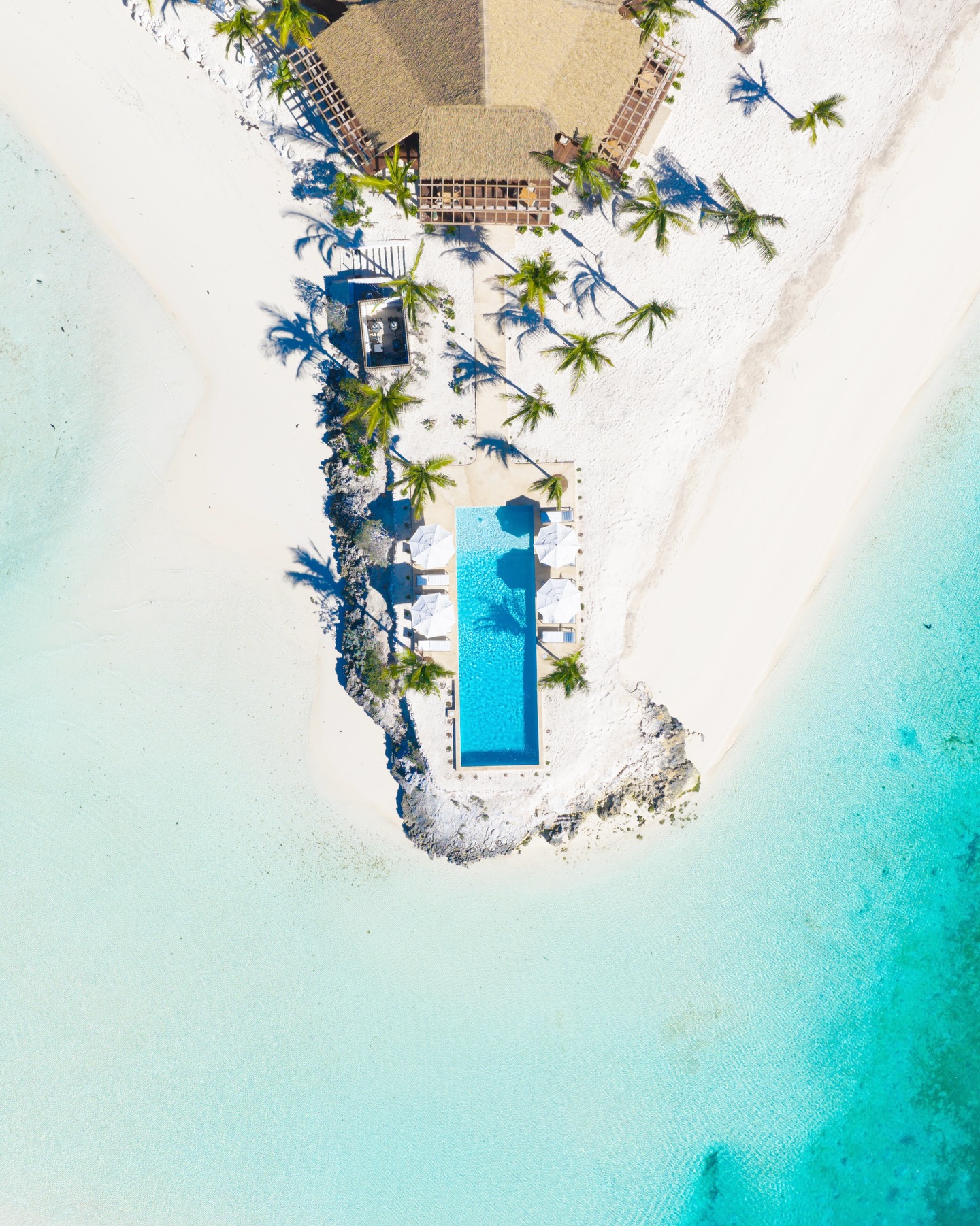
Grace Bay on Providenciales is about 10 to 30 minutes from the airport, and the beach itself is long, flat and easy for every age. It's the kind of place where the plan is the beach, a good lunch and an early dinner, and that's exactly the appeal. Our Grace Bay resorts guide covers the main stretch.
The drawback is February water and cost. The tourism site notes the sea reaches its lowest temperature of the year in February, and Grace Bay, which faces deeper open ocean, runs cooler than sheltered spots like Sapodilla Bay, by about 5 degrees at midday. On a breezy day that's noticeable. It's also expensive across the board, dinners included.
Price tier: about $4,000 to $9,000 per person for five nights.
St. Lucia
Best for couples who want mountains, rainforest and a sense of place along with the beach.
St. Lucia's driest and busiest stretch runs from December to April, according to the island's tourism authority. It's the most dramatic of the Caribbean picks, with the Pitons rising straight out of the sea at Soufriere, and the island has real things to do between beach days, from the Sulphur Springs mud baths to the Tet Paul trail. Our guide to adults-only all-inclusives in St. Lucia is a good starting point for couples.
The drawback is getting around. Hewanorra International, where most U.S. flights land, is about 45 minutes from Soufriere, and the road winds. Many of the best hotels are built into hillsides, so the big, flat, walkable beach that Aruba and Turks and Caicos do so well isn't really St. Lucia's strength.
Price tier: about $3,500 to $8,000 per person for five nights.
Los Cabos, Mexico
Best for groups and couples flying from the western U.S. or Texas who want an easy flight, good food and a winter activity worth planning around.
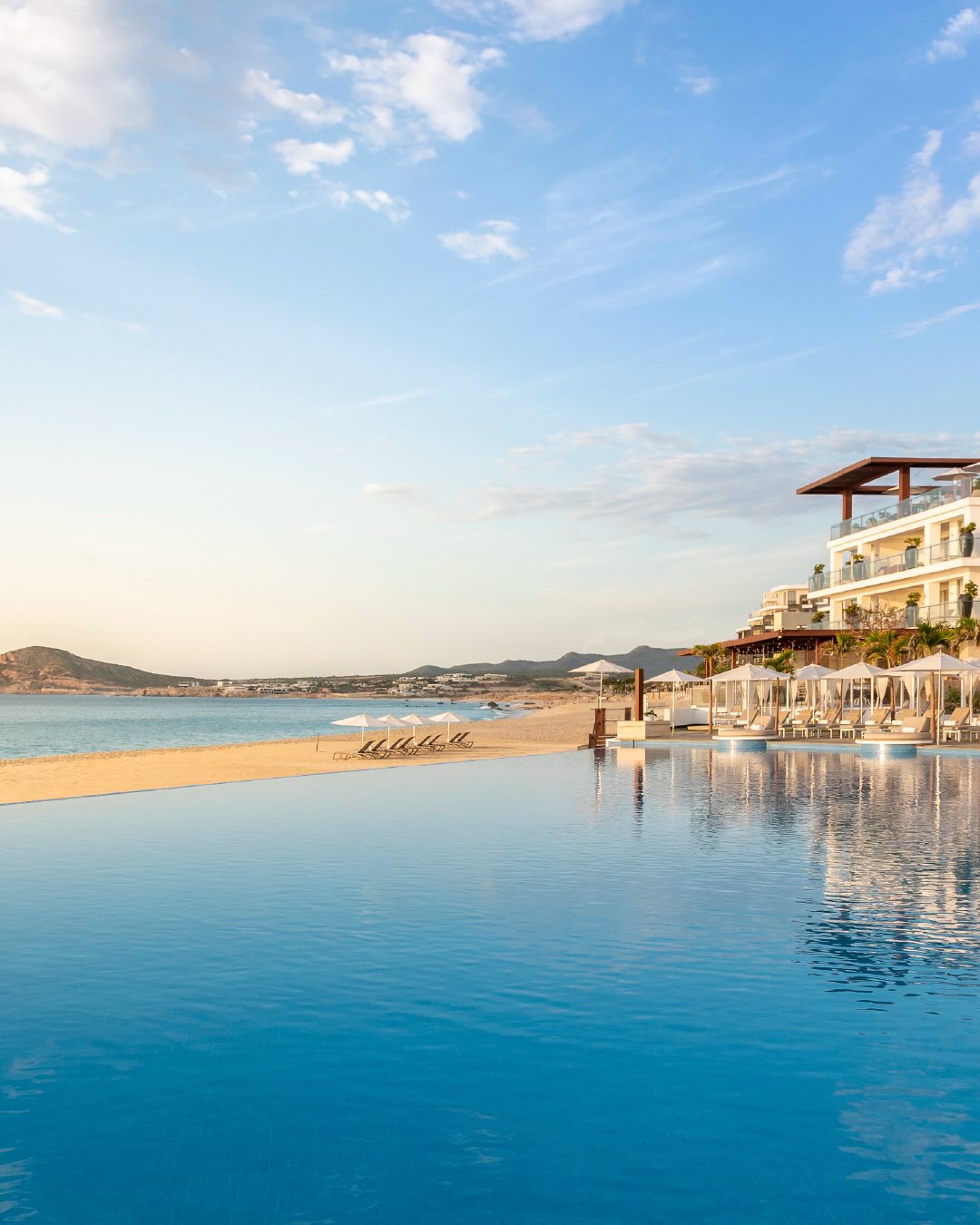
Winter is whale season in Los Cabos, with gray and humpback whales in the area from December through April, per the local tourism board. That gives a January or February trip a built-in anchor day. Add short transfers, about 25 to 40 minutes from the airport to the Tourist Corridor, and a deep bench of resorts and villas, and it's an easy yes for a group.
The drawback is the water. It's cooler in winter than the Caribbean, around 69 to 72 degrees in January, and many of the resort beaches aren't safe for swimming because of surf and rip currents. The tourism board points swimmers to protected spots like Medano, Chileno and Playa Acapulquito. Choose your hotel knowing that the pool may be where most of the swimming happens.
Price tier: about $2,500 to $6,000 per person for five nights.
Guanacaste, Costa Rica
Best for families and active couples who want wildlife, hiking and the beach in one trip.
Guanacaste is Costa Rica's dry northwest, and its dry period runs from December to March, when the region gets just 4 percent of its annual rain, according to the national tourism board. Liberia's airport is about 30 to 40 minutes from the Papagayo Peninsula, so you can be at the hotel by lunch. Days can mix a morning on the water with an afternoon zip line or a trip inland. Our guide to Costa Rica wellness resorts for couples covers a slower version of the same trip.
The drawback is the wind and the landscape. The Papagayo winds blow through much of the dry season, often stronger in the afternoon, which can make the water choppy and ground boat trips. The dry forest also turns brown by February. If your mental picture is a green rainforest, that's further inland and a longer drive.
Price tier: about $3,000 to $7,000 per person for five nights.
Cape Town, South Africa
Best for couples and families with a week or more who want a full summer city trip with food, wine and long evenings.
December to March is high summer in Cape Town. Cape Town Tourism puts the average daytime temperature at about 73 degrees, with hot days that reach the 90s and around 15 hours of daylight. It's a different kind of warm-weather trip, with long evenings, the Winelands close by and beaches when the wind cooperates. Our guide to where to stay, eat and play in Cape Town has more.
The drawback is distance and wind. It's a long-haul trip, so it doesn't work for a long weekend. The south-easter, the summer wind locals call the Cape Doctor, blows hardest in January and February and can gust to 60 kilometers an hour. The Atlantic water off the city's beaches is also cold enough that most visitors stick to the pool. Clifton and Hout Bay are the more sheltered beaches.
Price tier: about $3,000 to $7,000 per person for six nights, before flights.

How to choose
Pick Aruba if you want the most reliable dry weather and an easy trip.
Pick Turks and Caicos if the trip is about a beach and rest, and you'll travel in January or March rather than February if water temperature matters.
Pick St. Lucia if you want scenery and things to do, and don't mind a transfer.
Pick Los Cabos if it's a group from the West, or if whale watching is the highlight.
Pick Guanacaste if you have kids or active adults who'll get bored on a lounger.
Pick Cape Town if you have a week or more and want summer, not just sun.
A few things that make a winter trip go better
Look at the hotel's exact beach, not just the island. Within one destination, a sheltered bay and an exposed one can feel like different climates.
Plan the water days for the morning. In many of these places the wind picks up after lunch, so snorkeling and boat trips are calmer early.
If you can, travel either side of the holiday weeks. Mid-January and the first half of March often offer the same weather as Christmas week at a lower rate.
Leave a buffer day at the end. Winter storms back home can delay a return, and a spare day matters more than a spare hour.
Hurricane season isn't a factor for a winter trip in the Caribbean, which is part of why these months are so popular. If you're also weighing summer or fall dates, our guide to Caribbean hurricane season travel covers what changes then.
A good winter trip doesn't need the hottest place on the map. It needs the place where the water, the wind and the flight all suit the people going, for the weeks you can actually get away.
If you'd like help picking the right place for your winter dates, you can get in touch with HOTE here.