
Marrakech
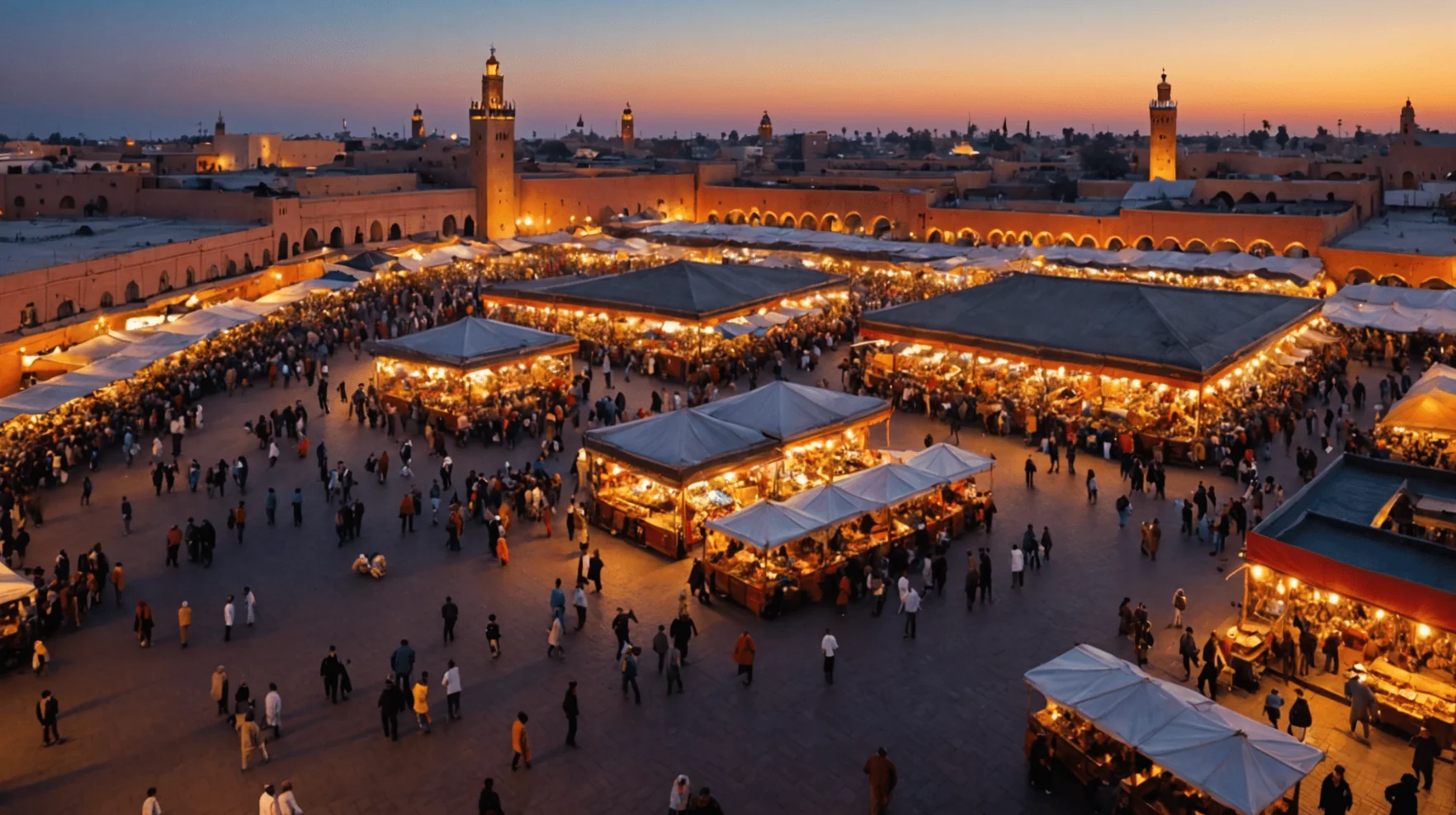
Marrakech unfolds around its ancient medina, a walled maze of vibrant souks, ornate palaces, mosques, and hidden riads. The streets come alive with the scent of spices, cedar, and leather, while vendors and motorbikes weave through its lively lanes. Step through a quiet doorway, however, and the energy gives way to serene courtyards filled with tiled fountains and bougainvillea. Beyond the medina, the modern neighborhoods of Guéliz and Hivernage add a contemporary touch with stylish galleries, boutiques, and restaurants inspired by Moroccan tradition. It is this captivating contrast of energy and tranquility that gives Marrakech its unmistakable magic.
Browse top-rated hotels in the area, chosen for their comfort, location, and overall guest experience.
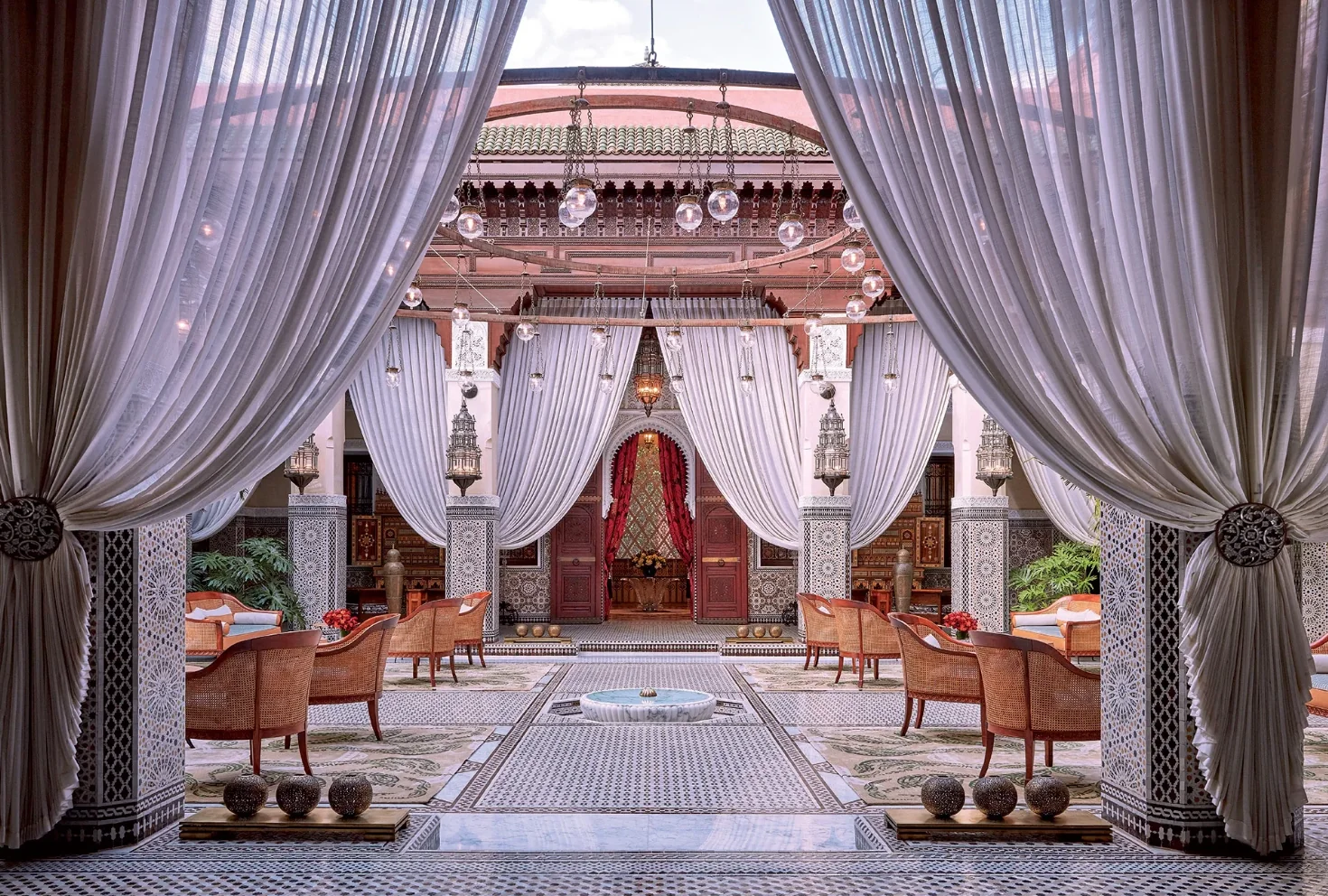
Royal Mansour Marrakech
Owned by Morocco's King Mohammed VI and built to showcase the highest level of Moroccan craftsmanship, the Royal Mansour is organized as a collection of private riads within a walled compound - each a multi-story residence with its own plunge pool, rooftop terrace, and dedicated butler. The level of detail in the zellige tilework, carved plaster, and painted cedar ceilings is extraordinary, and the service operates at a standard that few hotels anywhere attempt. The most complete luxury property in Marrakech and one of the most ambitious in Africa.
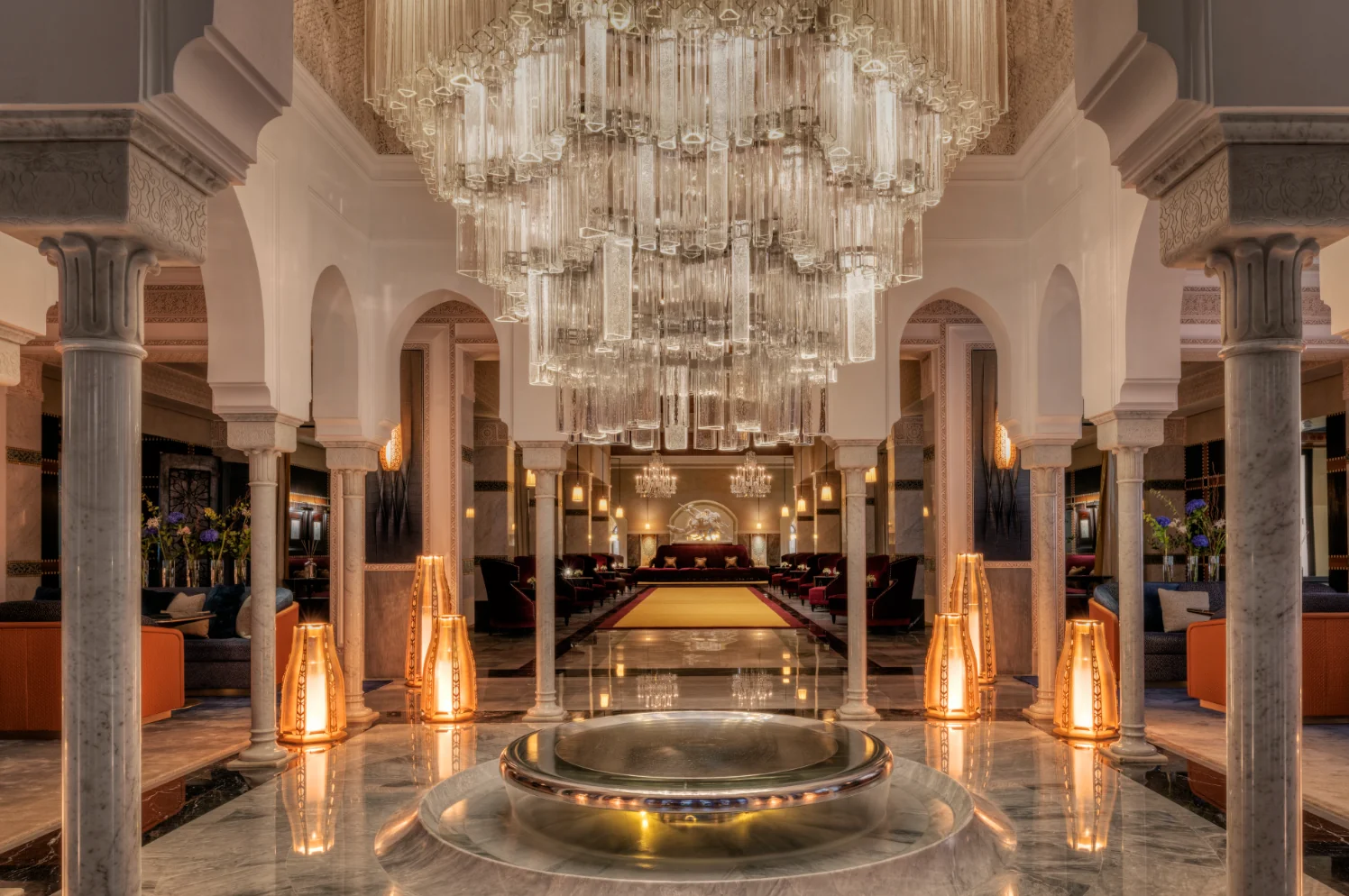
La Mamounia
A legendary Marrakech hotel since 1923, set within a walled garden that Winston Churchill famously called the most beautiful place in the world. The property was extensively renovated in 2009 and balances its Art Deco bones with traditional Moroccan design - a large pool, formal gardens with centuries-old olive trees, multiple restaurants, and a spa. A Forbes-recognized property and the hotel most closely associated with the city's identity.
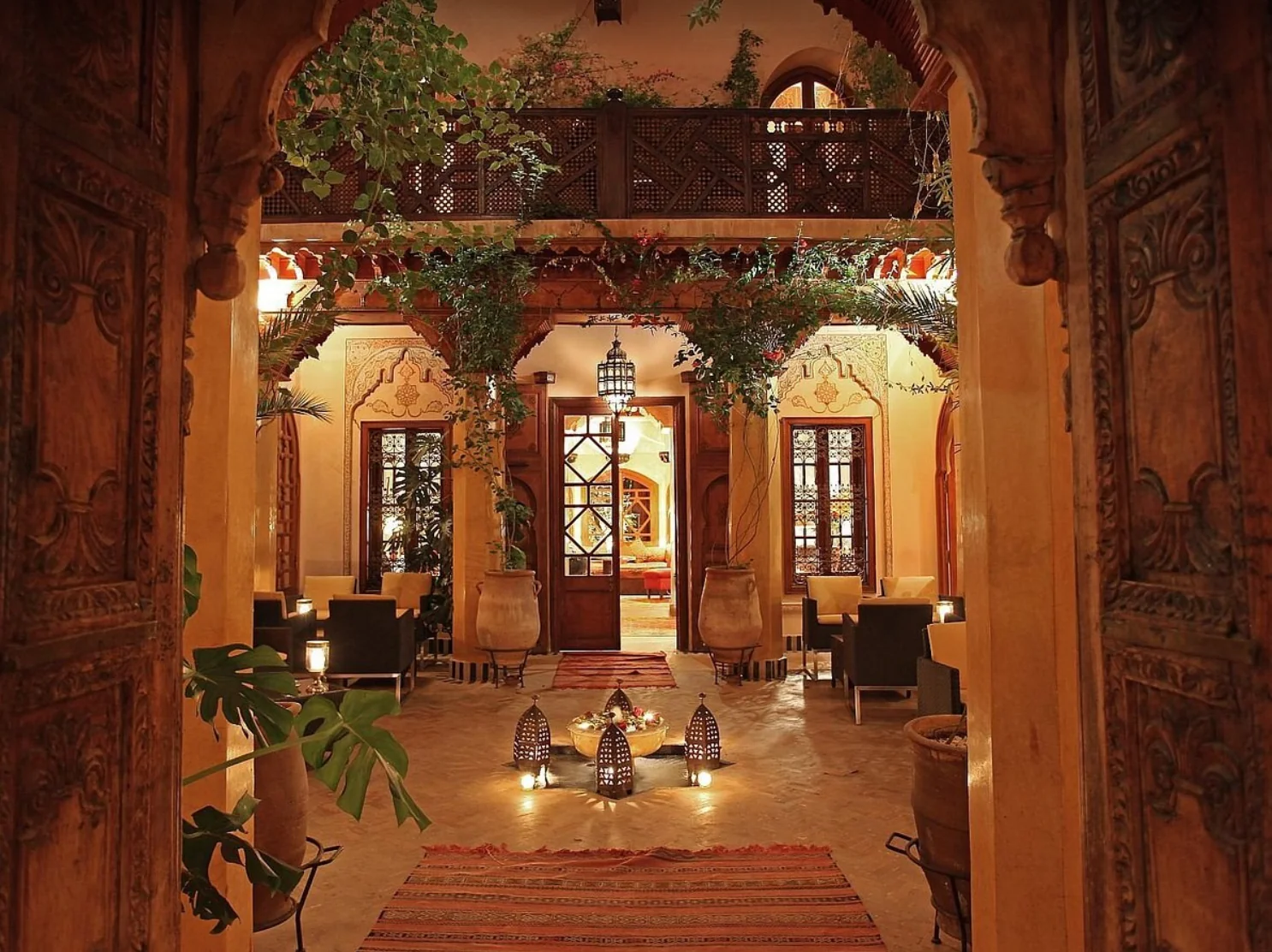
La Maison Arabe
A legend in the heart of the ancient medina of Marrakech since 1946; Morocco’s first boutique riad hotel boasts a rich storied past graced by royalties and dignitaries such as Queen Ingrid of Denmark, Sir Winston Churchill and more; within its intimate yet opulent Moorish setting. This charming riad hotel also boasts three restaurants, including traditional Moroccan, a piano-jazz bar and a world-famous, the very first in Marrakech cooking school (open to hotels guests and the public); as well as a serene traditional hammam spa.

From local traditions to world-class celebrations, here’s what’s worth planning your trip around.


Film Festival
Founded under the patronage of King Mohammed VI, the Marrakech International Film Festival draws an international program of feature films, documentaries, and short films alongside major industry figures and a red-carpet presence at the Palais des Congrès. The festival has established Marrakech as a serious stop on the global film circuit and brings a distinct energy to the city.
November - December
Palais des Congrès and various venues, Marrakech

Festival of Popular Arts
One of the oldest cultural festivals in Morocco, featuring traditional music, dance, and performance from communities across the country - Gnawa musicians, Amazigh folk dancers, equestrian displays, and Sufi trance performances staged in the dramatic setting of the El Badi Palace ruins. A genuine celebration of Moroccan heritage rather than a tourist event.
June - July
El Badi Palace and other venues, Marrakech
Marrakech Zahria
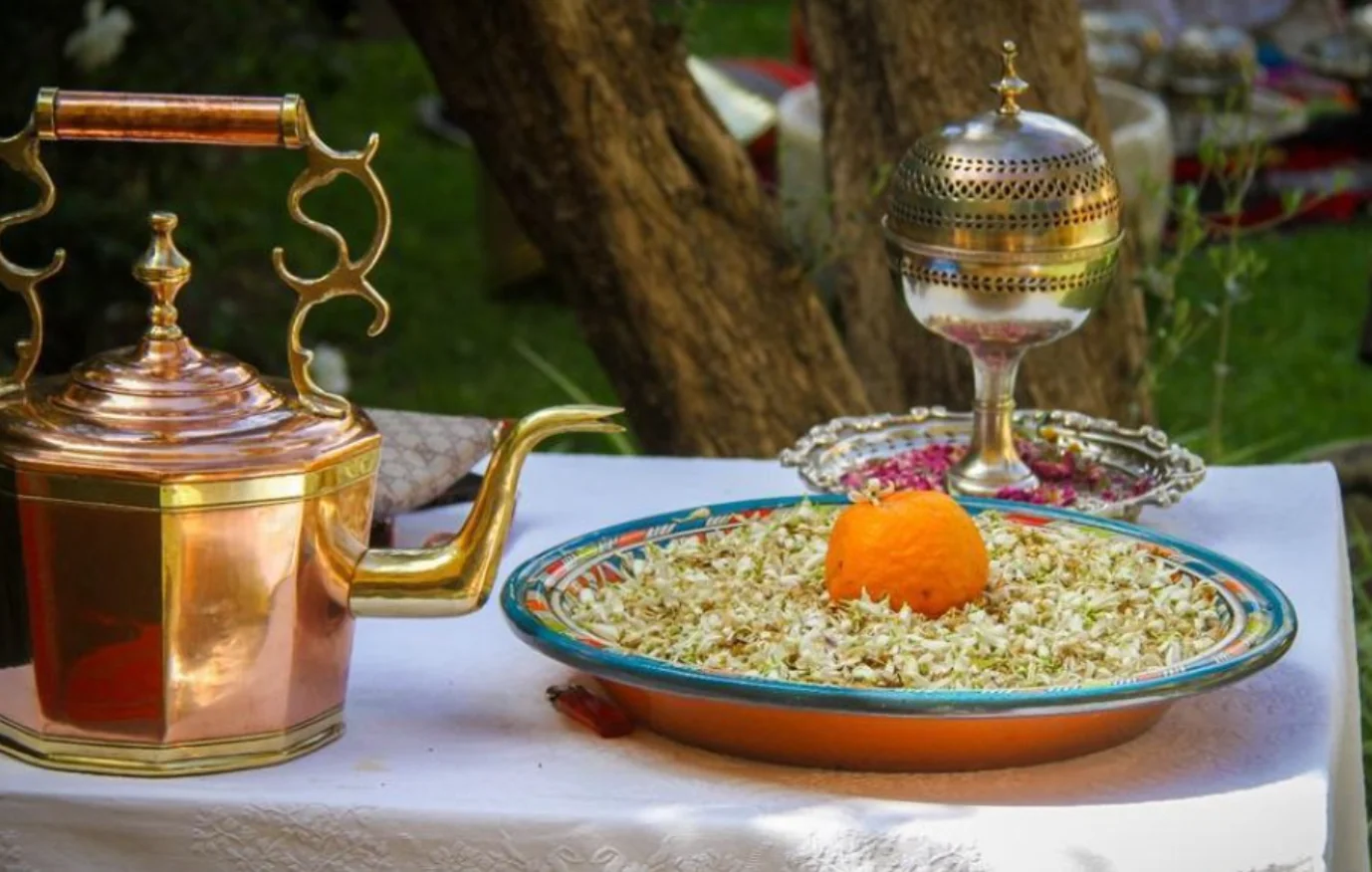
A spring celebration of the city's famous orange blossoms, featuring cultural activities and events centered around the fragrant citrus heritage of Marrakech. This ritual, both sensory and spiritual, celebrates the renewal of spring, purity and collective joy, what the Marrakchis call The Bahja : a deep and shared joy that takes hold of the whole city.
March - April
Medinas and various other venues
Jemaa el-Fnaa
The central square of the medina has been the beating heart of Marrakech for nearly a thousand years - a UNESCO-recognized gathering place that transforms through the day, from orange juice vendors and snake charmers in the morning to a massive open-air food market with dozens of smoke-filled stalls after dark. The scale of the nightly scene is unlike anything else in North Africa, and eating at the food stalls remains one of the more memorable meals you can have in the country.
Jardin Majorelle
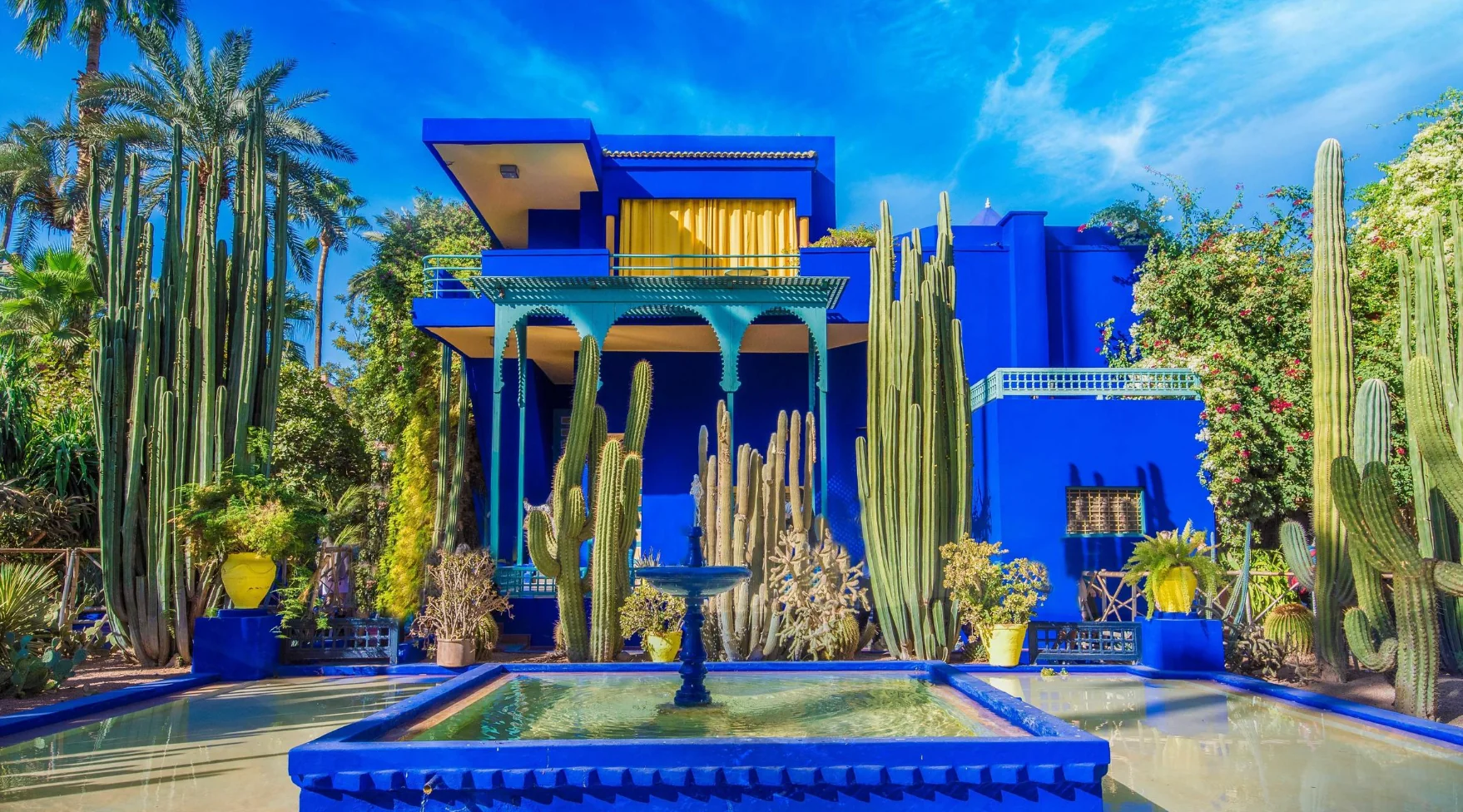
Originally designed by French painter Jacques Majorelle in the 1920s and later restored by Yves Saint Laurent, this botanical garden is best known for its electric cobalt blue structures, cacti and tropical plants, and the Berber Museum housed on the grounds. It's a small, tightly designed space - expect an hour rather than a half day - but the color and composition are impossible to find anywhere else.
Bahia Palace
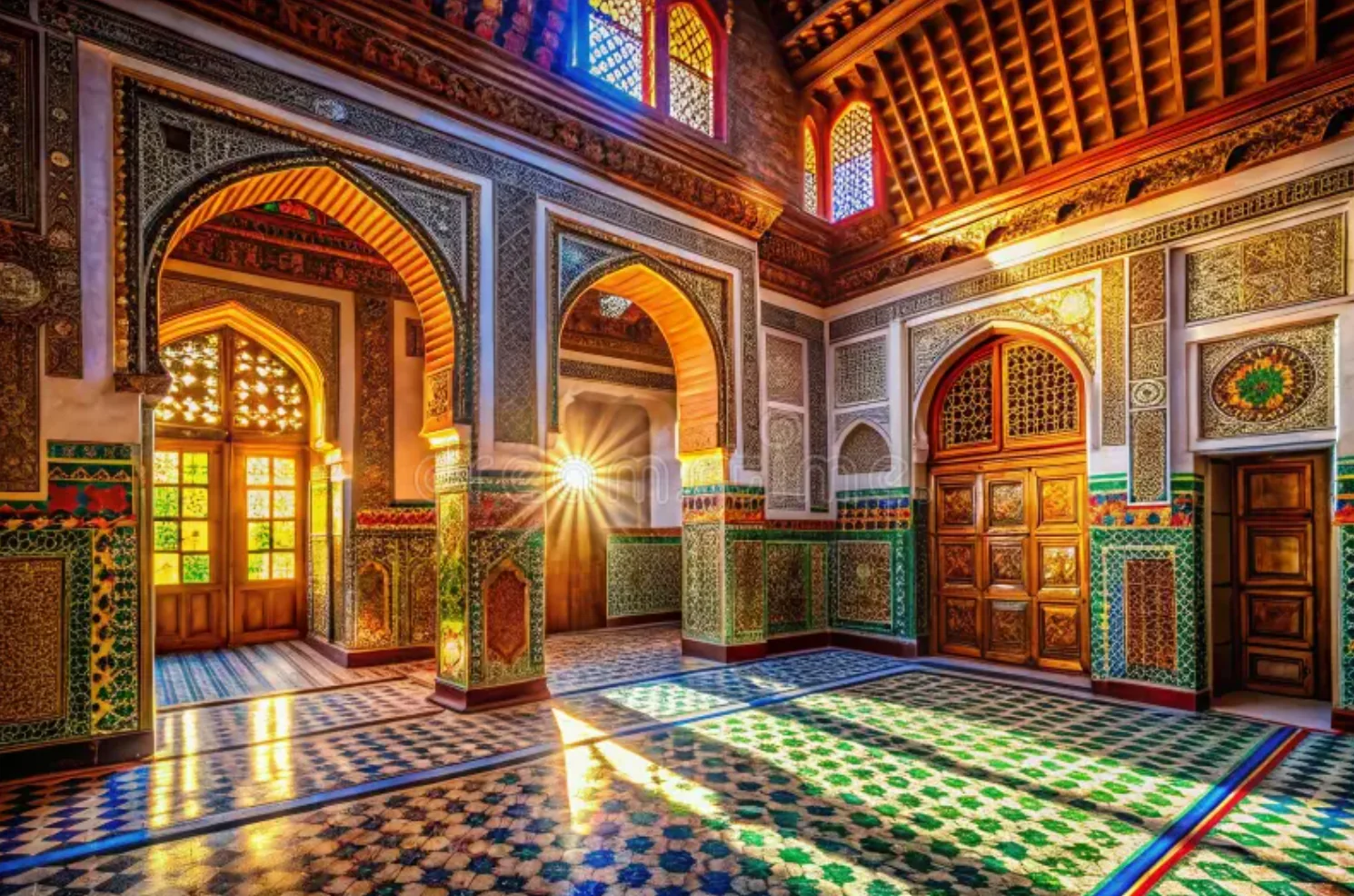
In the heart of the Marrakech Medina, close to the Mellah, Bahia Palace is one of the city's major architectural heritage sites. Zellige tilework, carved stucco, painted wood, polychrome ceilings and geometric compositions reflect the craftsmanship of Moroccan artisans of this period.
Jemaa el-Fnaa
The central square of the medina has been the beating heart of Marrakech for nearly a thousand years - a UNESCO-recognized gathering place that transforms through the day, from orange juice vendors and snake charmers in the morning to a massive open-air food market with dozens of smoke-filled stalls after dark. The scale of the nightly scene is unlike anything else in North Africa, and eating at the food stalls remains one of the more memorable meals you can have in the country.
Jardin Majorelle
Originally designed by French painter Jacques Majorelle in the 1920s and later restored by Yves Saint Laurent, this botanical garden is best known for its electric cobalt blue structures, cacti and tropical plants, and the Berber Museum housed on the grounds. It's a small, tightly designed space - expect an hour rather than a half day - but the color and composition are impossible to find anywhere else.
Bahia Palace
In the heart of the Marrakech Medina, close to the Mellah, Bahia Palace is one of the city's major architectural heritage sites. Zellige tilework, carved stucco, painted wood, polychrome ceilings and geometric compositions reflect the craftsmanship of Moroccan artisans of this period.


L’Mida Marrakech
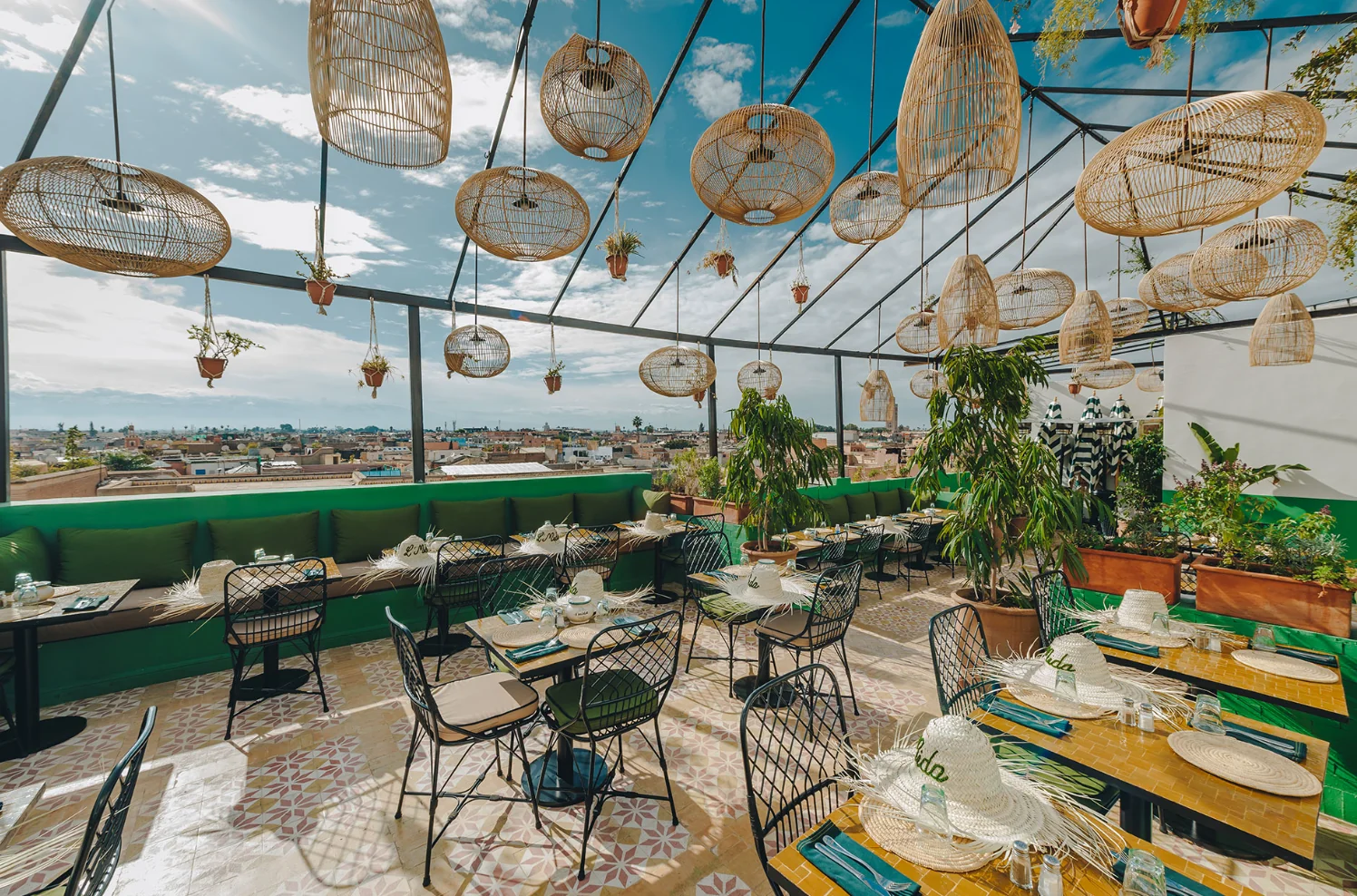
L'mida Marrakech is a contemporary Moroccan restaurant in the heart of Marrakech's Medina, near Rahba Lakdima. It has become well known for combining traditional Moroccan flavors with modern, internationally inspired dishes, along with a rooftop terrace that overlooks the surrounding souks.
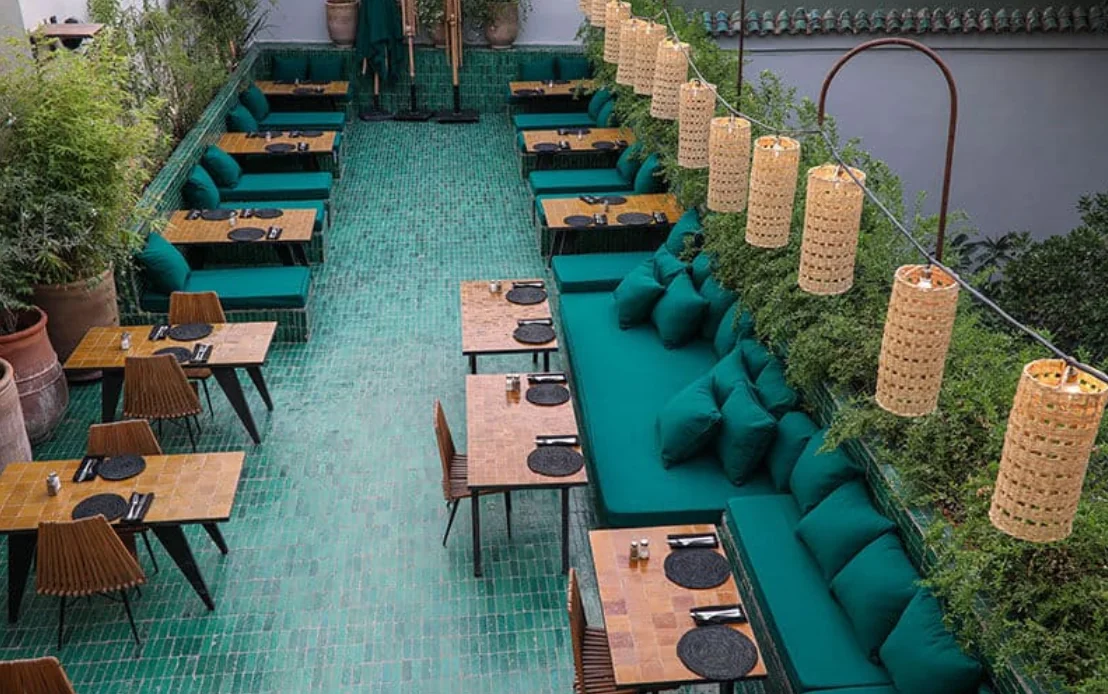
Le Jardin
A garden restaurant set in the medina behind an unassuming door - lush greenery, a relaxed atmosphere, and a menu that mixes traditional Moroccan dishes with a lighter, more contemporary touch. The setting provides a genuine respite from the intensity of the souks, and the kitchen handles the transition between heritage and modern with more care than most of Marrakech's restaurant scene.
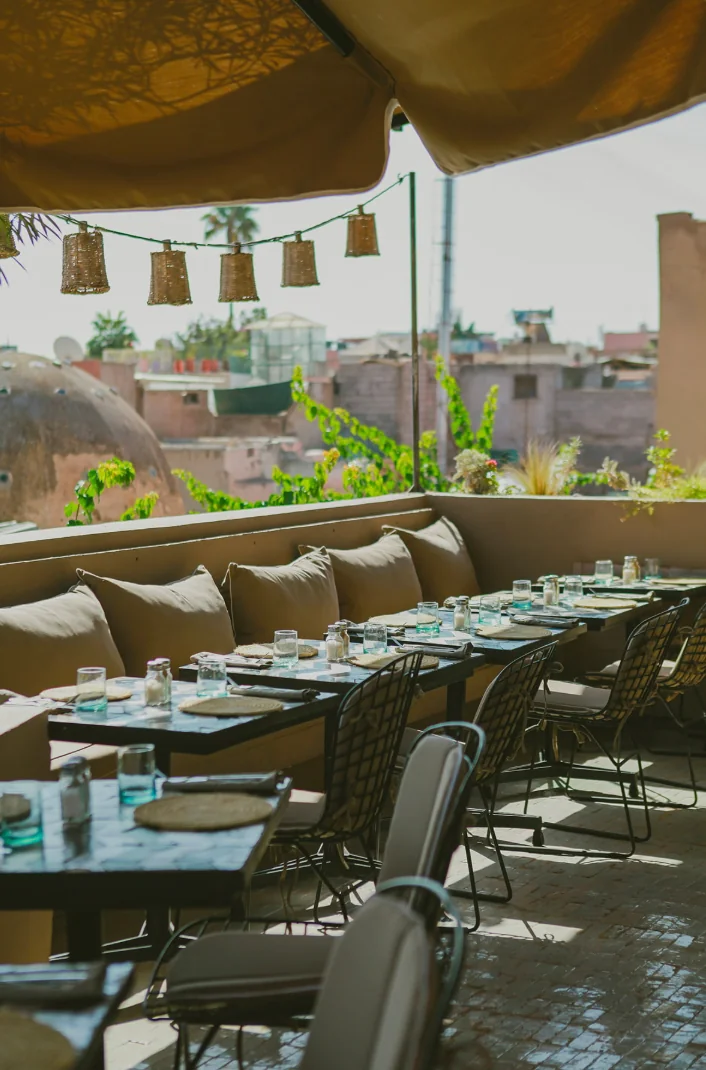
NOMAD
A rooftop restaurant overlooking the spice souk in the medina, NOMAD takes Moroccan ingredients and applies a modern sensibility - reimagined tagines, lamb burgers with harissa, and salads that feel fresh rather than traditional. The rooftop terrace has direct sightlines across the medina rooftops, and the vibe is casual enough for a long lunch while being considered enough for dinner. One of the restaurants that shifted how visitors think about eating in Marrakech.






Start planning the trip that’s been living rent-free in your head.
After being matched with your Travel Curator, you’ll get a vacation that’s uniquely yours - balancing adventure, relaxation, and just enough surprise to keep it exciting. It’s the promise of unforgettable memories, minus the planning headaches.