
Beijing

Beijing carries the weight of Chinese history in a way no other city does. The Forbidden City, the Temple of Heaven, the Summer Palace — these aren't just tourist sites, they're the physical remnants of imperial dynasties that shaped the country for centuries. The Great Wall runs through the mountains an hour from the city center and still manages to feel genuinely moving the first time you stand on it. Underneath all of this, Beijing is also a modern, fast-moving capital with excellent restaurants, a serious contemporary art scene, and hutong neighborhoods that have somehow survived the pace of development all around them. As the sun sets, the city's illuminated skyline creates a striking contrast with its historic temples and ancient architecture, offering a captivating blend of old and new.
Browse top-rated hotels in the area, chosen for their comfort, location, and overall guest experience.
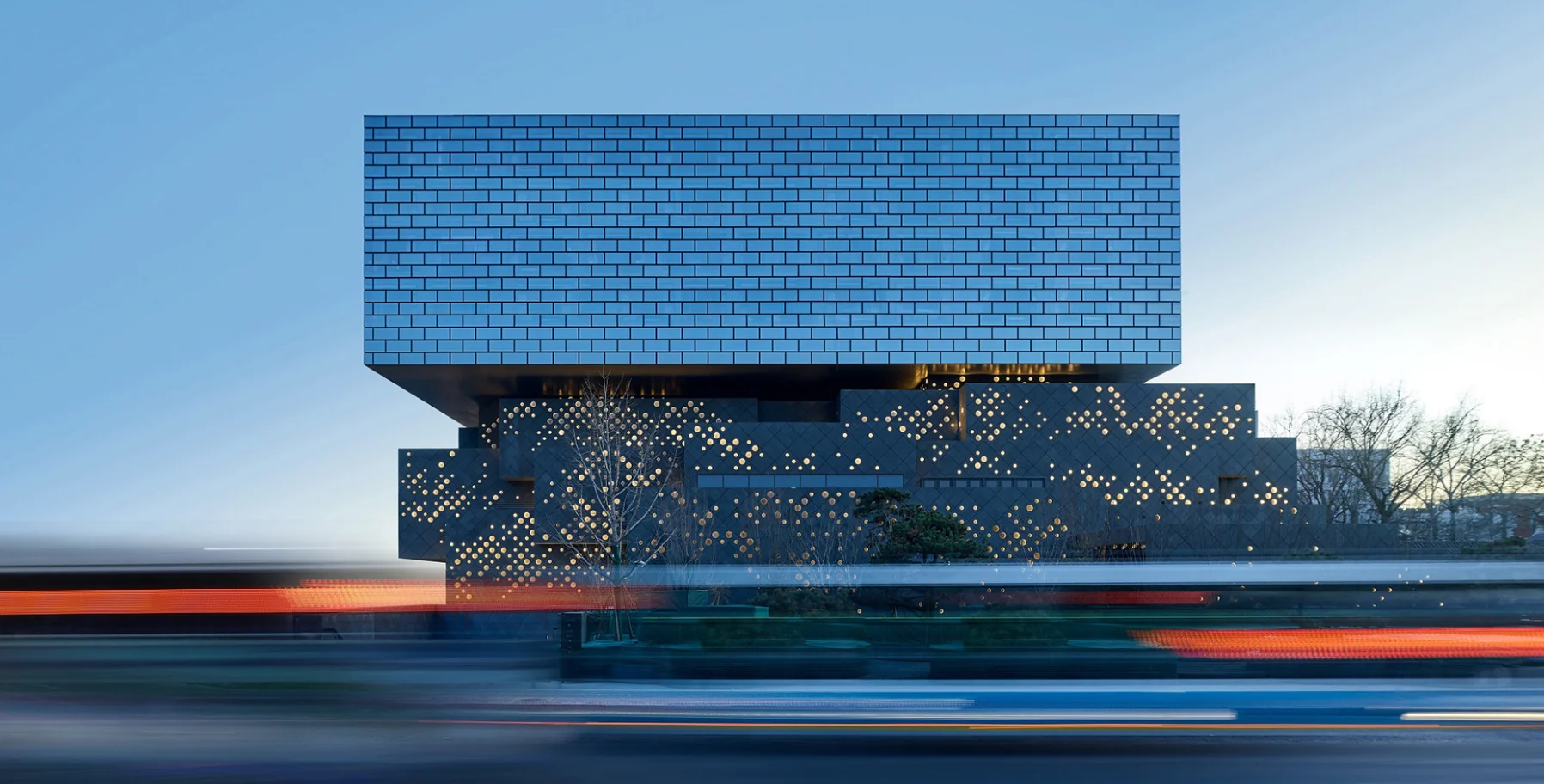
The PuXuan Hotel and Spa
Beijing’s PuXuan Hotel and Spa, sitting mere steps from the Forbidden City, earns as many rave reviews for its outside appearance as it does for all its interior splendor. Its glass façade resembling brick walls is a homage to traditional hutongs found around the city.

The Peninsula Beijing
A classic on Chang'an Avenue a short walk from the Forbidden City, The Peninsula Beijing has been the reference point for luxury in the capital for decades - well-proportioned rooms, multiple excellent restaurants, and the kind of attentive service that makes a complicated city feel manageable.
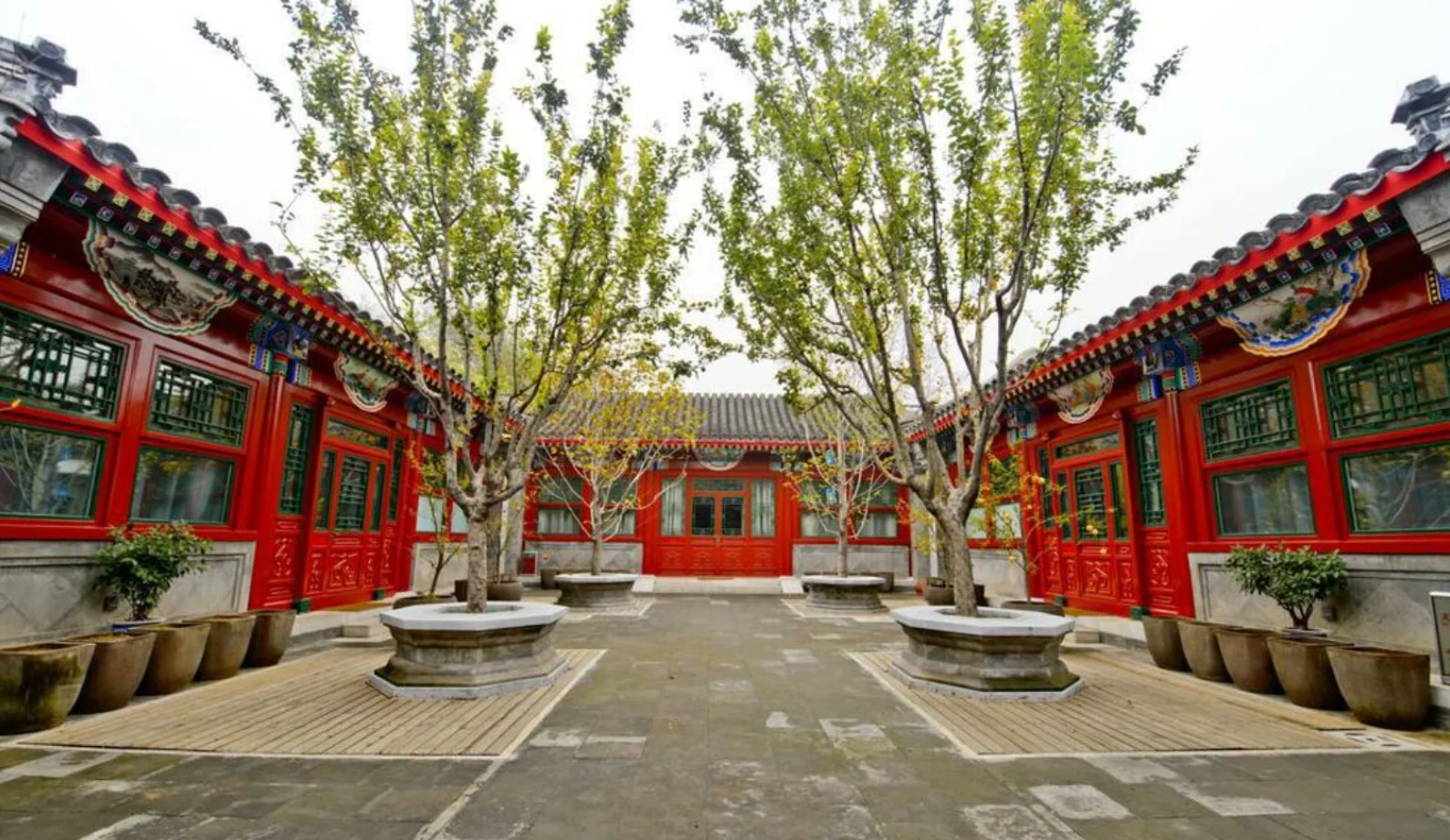
Cours et Pavillons
Save for the imperial palace itself, you’d be hard pressed to find a more enchanting abode than this jewel of a hotel. The owner has poured heart and soul into reconstructing this siheyuan (Beijing’s traditional courtyard residence) and turning it into a gorgeous showcase of Chinese history, aesthetic and design.

From local traditions to world-class celebrations, here’s what’s worth planning your trip around.


Chinese New Year
China's most significant cultural celebration transforms Beijing with lantern displays, temple fairs, fireworks, and traditional performances throughout the city. The scale and atmosphere are unlike anything else in the country.
January or February (dates vary by lunar calendar)
Citywide, Beijing

Beijing International Film Festival
One of Asia's most prominent film festivals, drawing international productions and Chinese cinema alongside industry panels and red carpet events. A growing fixture on the global film calendar and a good lens into the direction of Chinese film culture.
April
Multiple venues, Beijing
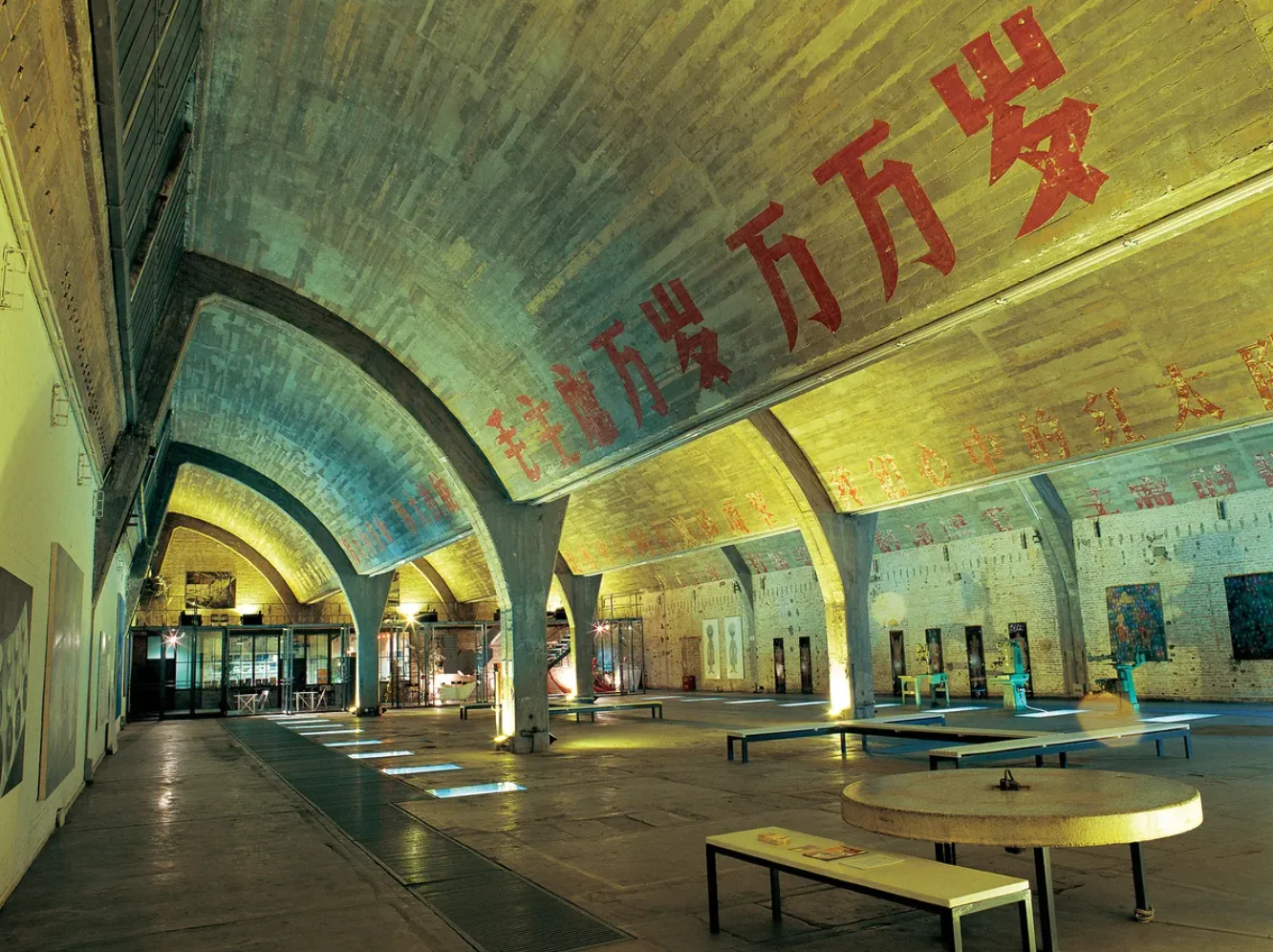
798 Art District Open
The 798 Art District - a converted factory complex in Dashanzi - hosts a series of open exhibitions, gallery openings, and studio events throughout the year, with the most concentrated activity in spring and autumn. The open studio periods give access to artists and spaces not otherwise open to the public.
April and October
798 Art District, Chaoyang, Beijing

The Forbidden City
The largest imperial palace complex in the world, home to 24 emperors across the Ming and Qing dynasties, and still one of the most impressive things you can walk through in China. Buy tickets in advance - daily visitor numbers are capped and the most popular sections sell out.

The Great Wall - Mutianyu Section
The Mutianyu section, about 70km northeast of Beijing, is the best combination of preservation, scenery, and manageable crowds for most visitors - restored watchtowers, forested ridgelines, and a cable car that makes the ascent accessible. More rewarding and far less crowded than the Badaling section.

798 Art District
A sprawling complex of Bauhaus-era factory buildings in northeast Beijing that has become China's most important hub for contemporary art - galleries, studios, independent bookshops, and restaurants spread across a campus that makes for a full afternoon.
The Forbidden City
The largest imperial palace complex in the world, home to 24 emperors across the Ming and Qing dynasties, and still one of the most impressive things you can walk through in China. Buy tickets in advance - daily visitor numbers are capped and the most popular sections sell out.
The Great Wall - Mutianyu Section
The Mutianyu section, about 70km northeast of Beijing, is the best combination of preservation, scenery, and manageable crowds for most visitors - restored watchtowers, forested ridgelines, and a cable car that makes the ascent accessible. More rewarding and far less crowded than the Badaling section.
798 Art District
A sprawling complex of Bauhaus-era factory buildings in northeast Beijing that has become China's most important hub for contemporary art - galleries, studios, independent bookshops, and restaurants spread across a campus that makes for a full afternoon.


Da Dong Roast Duck
The most artistically presented Peking duck in Beijing - Da Dong's kitchens produce a version with notably crispy skin and less fat than traditional preparations, served with a refined presentation and an extensive menu of modern Chinese dishes alongside. Multiple locations; the Nanxincang location is the most atmospheric.

Duck de Chine
A more historically rooted Peking duck experience in a converted 1949 industrial courtyard in the 798 area - the duck is traditionally prepared in a closed oven and the setting gives it a ceremony that the newer restaurants don't quite match.
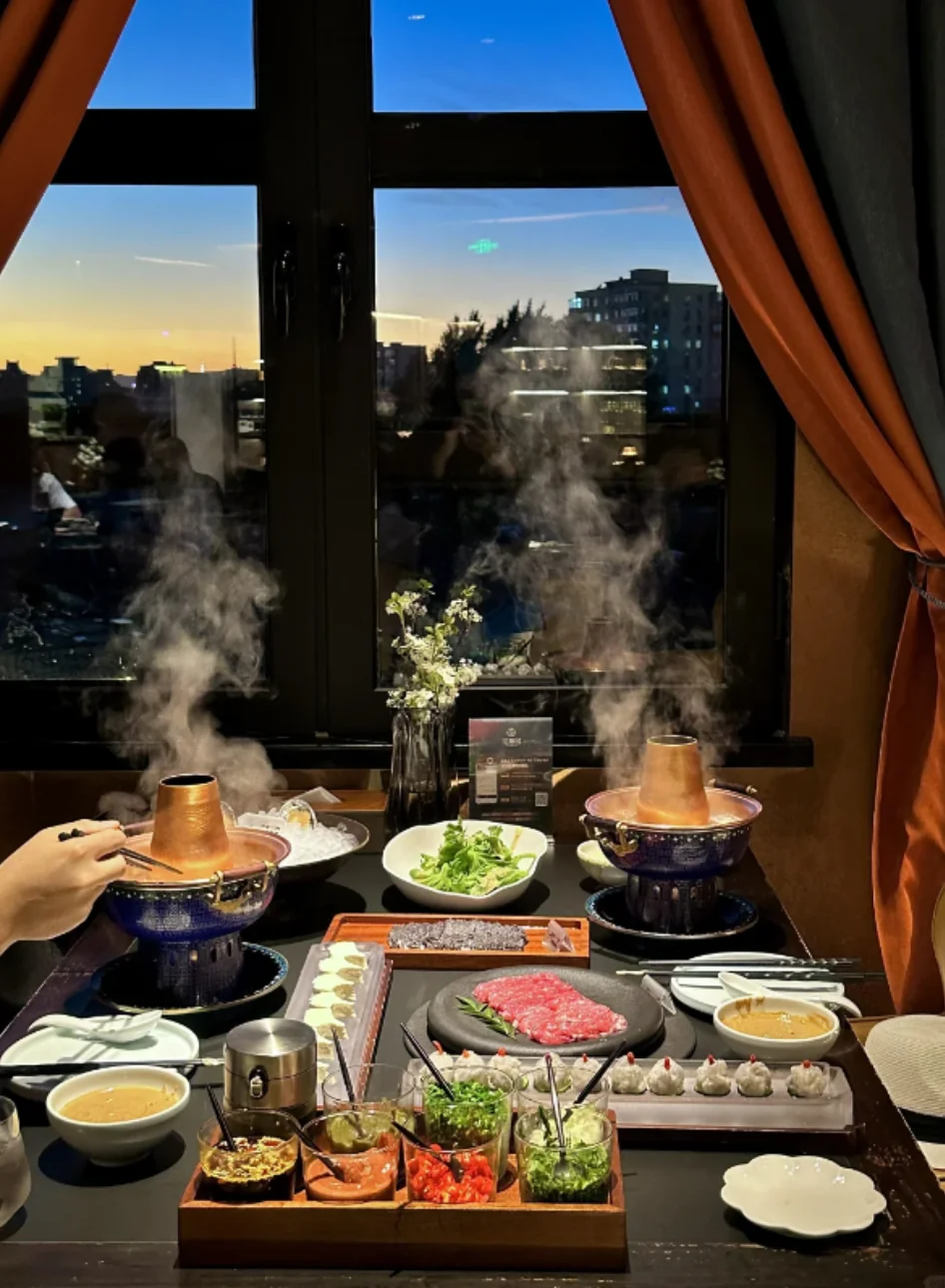
Xiyuanju Shuanrou
This high-end Beijing restaurant for hotpot, a popular Beijing food, was recommended by the Michelin Guide for three consecutive years. Elaborately selected ingredients, attentive service, and a luxurious dining experience with rich multicolored decorations, all make it a top-tier restaurant for locals and tourists.




Start planning the trip that’s been living rent-free in your head.
After being matched with your Travel Curator, you’ll get a vacation that’s uniquely yours - balancing adventure, relaxation, and just enough surprise to keep it exciting. It’s the promise of unforgettable memories, minus the planning headaches.