
7-Day Luxury Japan Itinerary for First-Timers
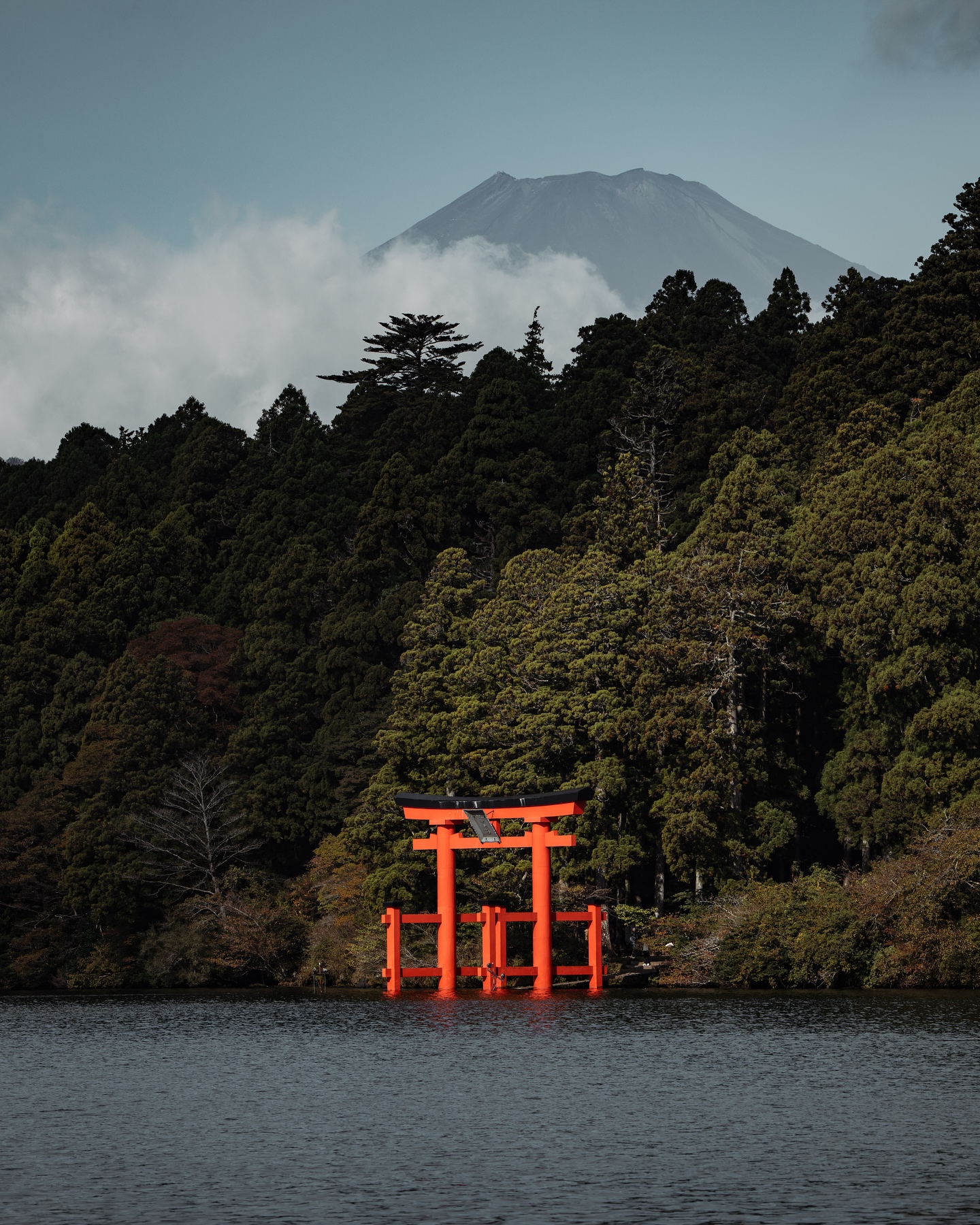
A First-Timer's Luxury Japan Itinerary: Tokyo, Hakone, and Kyoto in 7 Days
A refined 7-day Japan itinerary covering Tokyo, Hakone, and Kyoto — with honest logistics, hotel picks, and the details most travel guides skip.
The most common thing people say after coming back from Japan is that they wish they'd slowed down. Not because the country was hard to navigate or the days were exhausting — but because they'd scheduled themselves out of actually feeling it. The trains ran on a precision that borders on philosophical. The hotels were extraordinary. The food changed how they think about what a meal can be. And still, somewhere around day four, they realized they'd been moving too fast to absorb any of it.
Japan rewards restraint. Most itineraries don't build any in.
Seven days is a tight window for a country this layered. The route below — three nights in Tokyo, one night in a ryokan in Hakone, three nights in Kyoto — is focused by design. Each stop earns its place. Nothing is included because it appeared on a list. Everything is included because it serves the rhythm of the week.
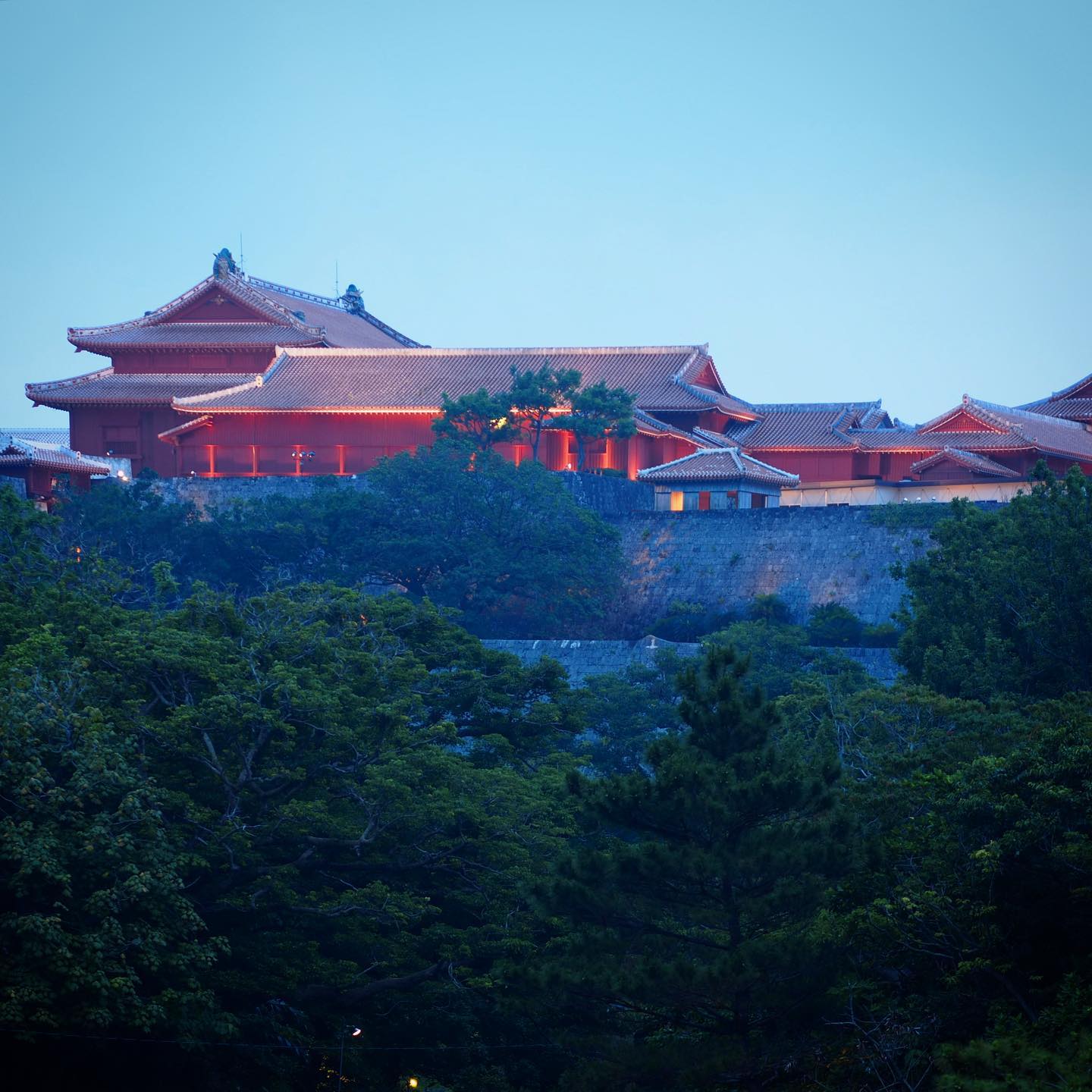
Why Three Stops is the Right Number, and More is Usually the Wrong Call
The temptation on a first trip to Japan is to add cities. Hiroshima. Osaka. Nara. Kanazawa. The country is dense with excellent places, and the shinkansen makes everything feel deceptively close on a map.
But time on a train is still time spent. And the deeper problem is cumulative — every addition compresses what remains. Tokyo starts bleeding into Kyoto before either city has fully registered. A first luxury trip to Japan works best when each place has room to breathe.
The three-stop structure solves this cleanly. Tokyo delivers urban energy at a scale most cities can't match. Hakone is the counterweight — a single restorative night in a traditional ryokan that resets the tempo of the entire trip. Kyoto is the finish, and it deserves every one of its three days. Old neighborhoods, temple gardens, kaiseki dinners, the specific quiet of a city that still takes its own history seriously.
Here's the week at a glance:
| Day | Overnight | Focus | Approximate Travel |
|-----|-----------|-------|-------------------|
| 1 | Tokyo | Arrive, recover, gentle first evening | Haneda to central Tokyo, 30–45 min by car |
| 2 | Tokyo | Classic sights, unhurried pace | Local taxis, short walks |
| 3 | Tokyo | Design, tea, shopping, fine dining | Taxis and subway as needed |
| 4 | Hakone | Ryokan stay, private onsen | Tokyo to Odawara ~35 min by shinkansen, then 35–50 min by car |
| 5 | Kyoto | Old Kyoto, temple district, relaxed check-in | Odawara to Kyoto ~2 hours by shinkansen |
| 6 | Kyoto | Tea, gardens, kaiseki | Mostly short taxi rides |
| 7 | Depart | Slow morning, final lunch, airport transfer | Kyoto to KIX ~75–90 min by car |
The Two Decisions You Make Before You Land That Shape Everything Else
Before hotels and restaurant reservations, two logistical choices determine how effortlessly the week actually runs.
The first is your flight routing. Book an open-jaw ticket if you can — arrive into Tokyo, depart from Osaka's Kansai International. That single decision eliminates a full-day return journey and gives your last morning in Kyoto something it almost never gets: room to be unhurried. On the arrival side, Haneda is consistently easier than Narita for luxury stays in central Tokyo. Narita adds an hour or more to your transfer time, and that gap matters when you're comparing flights.
The second decision is about luggage, and it's the one most first-timers don't think through until they're dragging a 28-inch roller through a crowded train station at rush hour.
Japan has a luggage-forwarding service called *takkyubin*. Leave your bags at the hotel front desk the night before you travel, and they disappear — waiting for you in your next room when you arrive. It costs very little. It also completely transforms every travel day on this itinerary.
For this particular route, the cleanest approach is to forward your main bags from Tokyo directly to your Kyoto hotel, then carry only a single overnight bag to Hakone. The ryokan transfer stays simple, the shinkansen feels civilized, and the low-grade logistical friction that quietly exhausts people on these trips never materializes. When you do board the train, book Green Car seats. The difference in quiet, space, and overall comfort is meaningful.
Restaurant reservations deserve the same early attention as flights. The kaiseki counters worth going to in Kyoto book weeks out. So does serious omakase sushi in Tokyo, the sunset slots at Shibuya Sky, and most worthwhile tea experiences. These need to be secured before you leave home — not from the hotel concierge on day two.
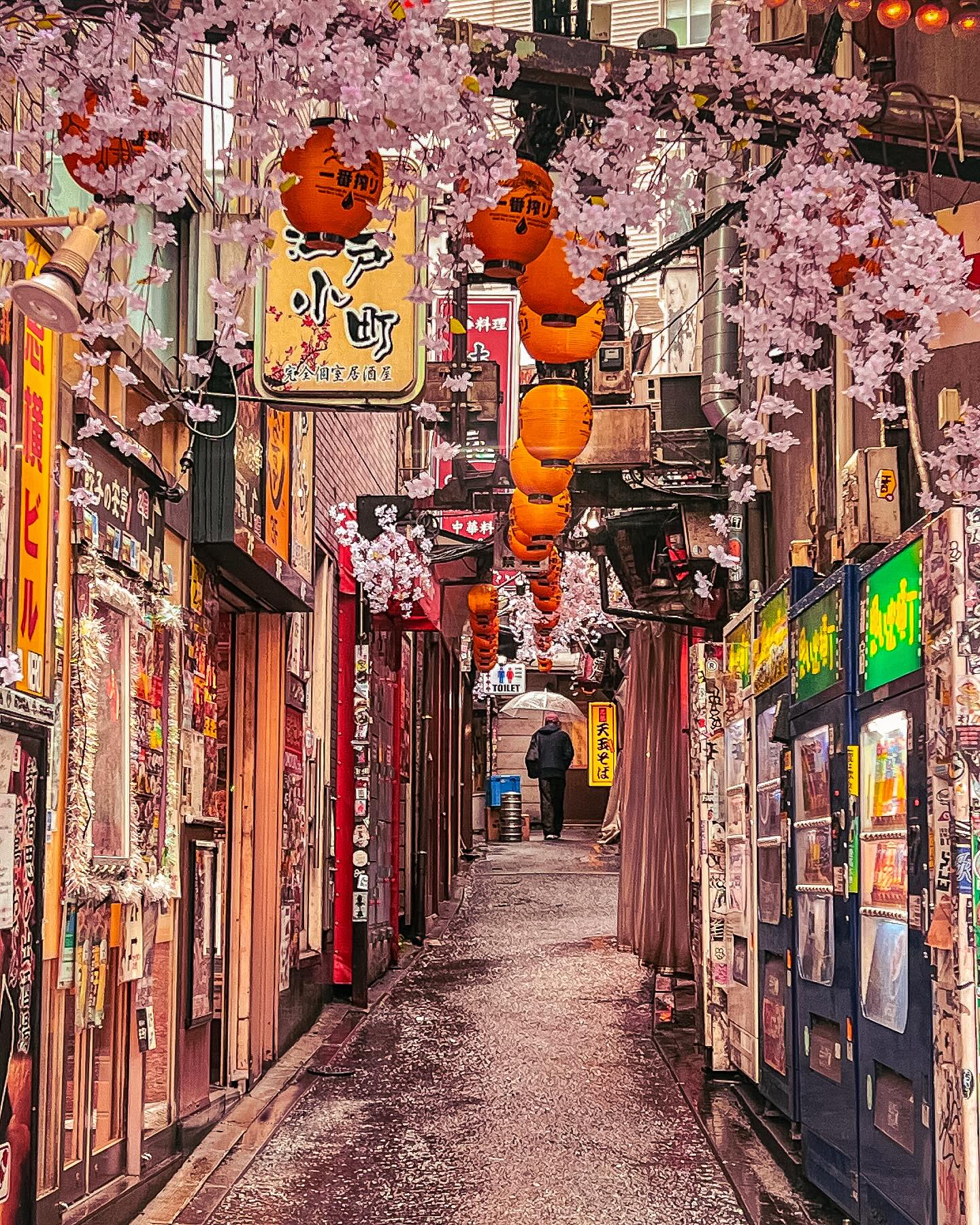
Three Days in Tokyo, Built for the Way the City Actually Works
Day 1 — Land, Check In, and Resist the Impulse to Do Anything Else
The best first evening in Tokyo is a gentle one. Jet lag is real, and the city is relentless — often in the most beautiful way. Let the hotel do the work tonight.
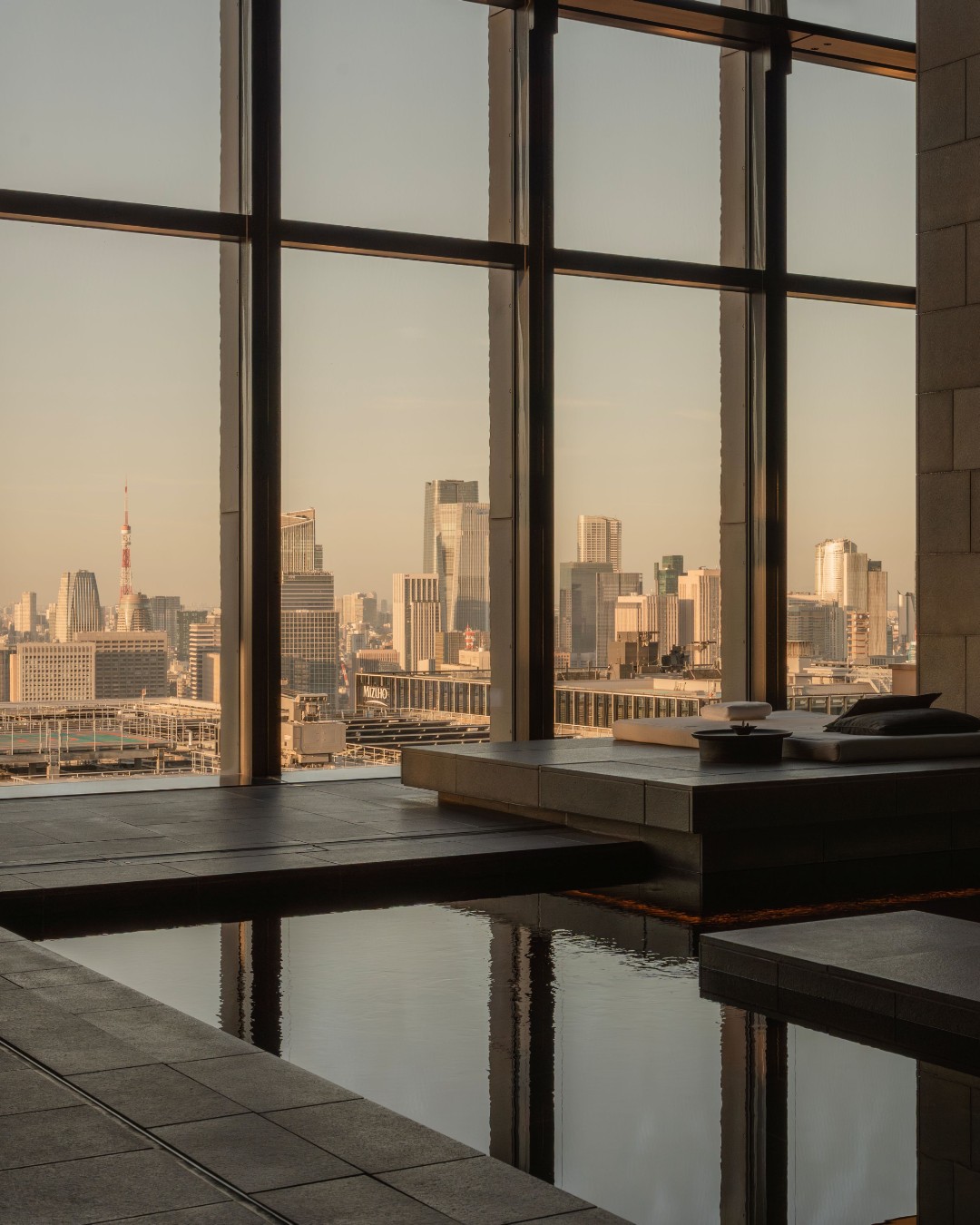
Among the luxury options in the central neighborhoods, Aman Tokyo remains one of the most memorable first-night stays in the country. The lobby is soaring and calm, the Otemachi address is excellent, and arriving there feels like an immediate exhale. Palace Hotel Tokyo offers Imperial Palace views and effortless proximity to Tokyo Station. Four Seasons Otemachi reads sleek and elevated. Bvlgari Hotel Tokyo, near Yaesu, brings a fashion-forward energy that suits a specific kind of traveler well.
After check-in, resist the urge to start sightseeing. A long bath, a spa appointment, or afternoon tea in the hotel lounge tends to serve the first day better than any landmark. The Palace Lounge and Four Seasons Otemachi both do this well. For dinner, stay close. Ginza is polished and well-lit, with excellent options a short taxi ride away — a refined sushi counter, a tempura room, or simply dinner in the hotel itself if jet lag is winning. Night one is not the night to be ambitious.
Day 2 - Tokyo's Icons, Without Feeling Herded Through Them
Start early. Tokyo in the first hour of the morning is a genuinely different city than Tokyo at noon, and experiencing both versions in the same day is worth building in.
A private guide pays for itself on day two for first-time visitors — not because the city is difficult to navigate, but because context transforms what you're looking at. Begin in Asakusa at Senso-ji before the midmorning crowds arrive. The temple, the incense smoke, the scale of the Kaminarimon gate — this is one of those moments that holds up in person. Meiji Jingu, set inside a dense urban forest near Harajuku, offers a quieter, more meditative counterpoint.
For the afternoon, choose one modern highlight rather than stacking several. TeamLab Planets is immersive and distinctly contemporary Tokyo. If shopping appeals more, Ginza, Marunouchi, and Omotesando offer luxury retail that feels architectural rather than overwhelming.
Save sunset for Shibuya Sky. Tickets run around 2,700 yen ($16 USD) when booked online, and the best time slots go early. Even travelers who don't typically seek out observation decks find this one genuinely impressive — the city spreads in every direction, and for many first-timers, it's the moment Tokyo finally makes visual sense.
Day 3 - Follow Your Instincts, Not a Checklist
By day three, Tokyo starts to feel navigable. This is the right time to let your own interests lead rather than a sightseeing agenda.
If design, ceramics, perfume, and fashion draw you in, stay around Omotesando and Aoyama. If polished, old-money Tokyo suits you better, Marunouchi and Nihonbashi carry a different texture entirely. One stop worth building in regardless of preference is Sakurai Tea Experience — a refined tea counter inside Spiral in Aoyama that's calm, modern, and genuinely memorable in a city full of memorable things.
Keep lunch light. Tokyo dinners run late and long, and your final evening here deserves a real meal with room to enjoy it. Book one memorable dinner rather than stacking multiple splurges. Save the full kaiseki format for Kyoto, where it belongs contextually.
Here's something most Tokyo travel content glosses over: the city can be relentlessly stimulating in a way that sneaks up on you. Even a beautiful day here is dense. Time spent in the hotel — in the spa, by the pool, simply sitting in a well-designed room — is not time wasted. Building quiet intervals into the Tokyo days isn't indulgence. It's how the rest of the trip stays enjoyable.
One Night in Hakone - the Hinge the Whole Week Depends On
Hakone is the pivot point of this itinerary. Without it, the week risks becoming two great cities with no breath between them. With it, something shifts in a way that's difficult to describe until you've actually felt it.
Take a morning shinkansen from Tokyo Station to Odawara in Green Car — roughly 35 minutes — then have the ryokan arrange a car from the station. With your main luggage already forwarded to Kyoto, the transfer involves exactly one overnight bag and nothing to manage. You arrive with your hands free.
A luxury ryokan like Gora Kadan is built around a specific kind of ease. The service is highly attentive without ever becoming intrusive. The rooms are designed for stillness. The private onsen — a stone bath fed by natural hot spring water — is the reason most guests come, and using it twice, once before dinner and once in the morning, makes clear why. The experience sits in a completely different category than a hotel hot tub.
One thing worth knowing that most ryokan content mentions only in passing: if you have visible tattoos, request a private bath in advance and confirm the property's policy before you book. Many ryokan maintain restrictions around tattoos in shared bathing areas, and the rules vary enough by property that this requires a direct conversation, not an assumption. Similarly, yukata are provided and expected to be worn in common areas — the etiquette is gentle, and staff will guide you, but knowing it beforehand removes any awkwardness.
If clear weather and genuine energy allow for one outing, the Hakone Open-Air Museum holds up well. The full sightseeing circuit — ropeway, lake cruise, museum — is too much for a one-night stay. Let the ryokan be the destination. Dinner is typically an in-room or private kaiseki multi-course meal. Let it be the entire evening. After Tokyo, the change in volume is striking.
Three Days in Kyoto - Where the Trip Turns Reflective
Day 5 — Arrive Easy and Let the City Come to You
Board the Nozomi from Odawara to Kyoto. In Green Car, the two-hour ride is comfortable enough that arrival still feels graceful rather than transactional. Take a taxi to your hotel and keep the afternoon genuinely easy.
Hotel location matters more in Kyoto than almost anywhere else on this route. Park Hyatt Kyoto is exceptional for first-timers who want to step directly into the old city — the Higashiyama address puts stone lanes and temple gates immediately outside the door. The Ritz-Carlton Kyoto offers river views and a more central base. Four Seasons Kyoto feels lush and cocooning. Hotel The Mitsui Kyoto brings a contemporary sensibility near Nijo Castle. Aman Kyoto is beautiful, but sits further from the historic core — better suited to travelers who want retreat over walkable access to the old neighborhoods.
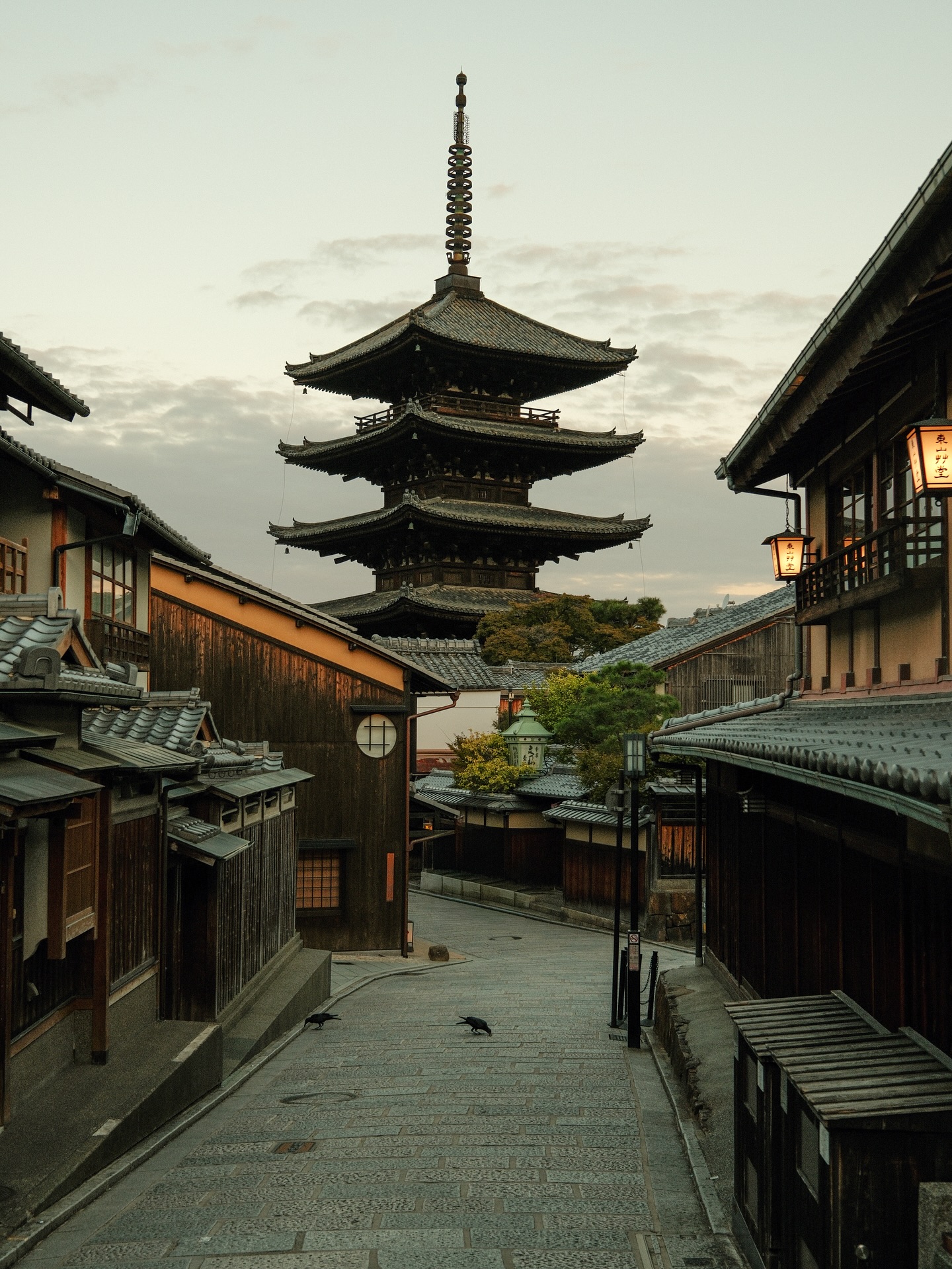
After check-in, head into Higashiyama in the late afternoon. Ninenzaka and Sannenzaka fill up at midday, but the light softens as the day winds down and the streets find a different pace. Kiyomizu-dera gives you both the architecture and a clear sense of Kyoto's physical setting — worth it on a first visit.
Dinner tonight should stay easy. A polished hotel restaurant, a tempura counter, a well-chosen spot near Gion. This first evening is not the one to over-engineer.
Day 6 - Give Kyoto Your Full Attention
Start early. The quiet of the temple districts before the crowds arrive is not a minor detail — it's the thing.
Spend the morning in southern Higashiyama with a guide, moving through temples and gardens while the lanes still feel human in scale. Here's an honest note that most Kyoto content either skips or buries: the Arashiyama bamboo grove is almost always crowded, requires a meaningful transit investment from the eastern side of the city, and frequently disappoints travelers who were expecting something transcendent. Most first-timers do better staying in the historic core and going deeper rather than wider. The Gion district, its subtle architecture, the occasional glimpse of a maiko moving through the lanes with quiet purpose — that's a more honest version of old Kyoto than a crowded bamboo path flanked by phone screens.
By late morning, build in one refined pause. Kagizen Yoshifusa is a lovely stop for traditional sweets in an unhurried setting. A private tea ceremony adds a different kind of anchor to the day — less about the ceremony itself and more about what it does to your sense of time.
Keep lunch modest, because dinner tonight deserves full attention. A serious kaiseki meal at Hyotei or Kikunoi — booked weeks in advance, ideally through your hotel concierge — is among the most extraordinary things you can do with an evening in Japan. These meals are theater and craft and hospitality arranged across lacquer and porcelain. Arrive on time, dress with care, and go light on fragrance. Kaiseki is subtle by design, and everything in the room is calibrated to that.
Day 7 - End With One Good Choice, Not Five Rushed Ones
The last morning shouldn't feel like a checkout line with a temple attached.
If your flight departs from Osaka in the afternoon or evening, the morning is entirely yours. A quiet walk through Gion, an unhurried breakfast at the hotel, a spa treatment, a slow coffee — all of these land better than a rushed final outing to a site you'll only half-see. If shopping is part of the pleasure, use the morning for artisanal ceramics, incense, beautifully packaged sweets, or textiles. Kyoto does this with genuine care, and the shops in Higashiyama open early.
Arashiyama works as a final morning outing only if your departure timing is genuinely generous. Otherwise, stay close and let the last few hours be easy.
A private transfer to Kansai International takes roughly 75 to 90 minutes depending on traffic. Leave more time than you think you need. Japan has a way of making you want five more minutes in every room.
The Small Habits That Keep the Week Feeling Effortless
Luxury in Japan often shows up as restraint, and a few habits carry more weight here than they would almost anywhere else.
Be punctual. A seven-minute delay to a tea seating or kaiseki reservation registers differently in Japan than it might in another context. Tipping is not customary — gratitude is better expressed through courtesy, eye contact, and showing up when you said you would. On trains, keep phone conversations quiet and bags neat. In taxis, the rear door opens automatically; let it. At the ryokan, let the staff set the pace.
Carry some yen. Japan is increasingly card-friendly, and most high-end hotels, restaurants, and department stores accept international credit cards without friction. But smaller shrines, traditional craft shops, and local eateries often don't. A moderate amount of cash on hand removes that friction entirely.
How a Week Like This Actually Gets Built
The version of Japan that delivers — where the logistics stay invisible and the beautiful moments stack up without effort — doesn't happen by accident. It's built through early reservations, a route that's focused before it tries to be ambitious, and someone who has navigated these decisions before and knows which details actually matter.
The restaurant that requires a local contact to book. The luggage question you haven't thought of yet. The ryokan that needs a specific conversation about private bath access before anything is confirmed. The afternoon a rainstorm changes the plan and someone needs to shift three reservations in an hour. These are the moments where having the right person in your corner is worth considerably more than their fee.
If you're ready to talk through how this week might be shaped around the way you actually travel — or if you're already thinking about a second trip that adds Kanazawa, the art islands of Naoshima, or more time in Kyoto — that conversation is worth having before anything gets booked.