
A 10-Day Peru Luxury Itinerary That Respects Altitude and Pace
Most people build a Peru luxury itinerary around Machu Picchu and treat everything else as filler between flights. That's backwards. Peru is one of the few places where the order you visit things in matters almost as much as where you stay, because altitude decides how good the rest of the trip feels. Land in Cusco and try to sightsee the same afternoon, and you'll spend your first two days fighting a headache instead of enjoying a $15,000 vacation.
Ten days is enough to do this right, as long as the itinerary is built around sequencing and pace instead of a checklist of sites.
Altitude Sets the Itinerary, Not the Map
Cusco sits at roughly 11,150 feet. The Sacred Valley runs lower, closer to 9,000 feet in places like Urubamba and Ollantaytambo. That difference is the whole reason a well-built Peru itinerary lands in Cusco and continues straight to the valley by private car the same day, rather than staying in the city first.
The first afternoon should stay quiet. Drink water, eat simply, skip anything strenuous, and save the celebratory Pisco Sour for night two. Some travelers talk to their doctor beforehand about altitude medication, and that's a conversation worth having before departure, not after you land and already feel it.
The dry season runs roughly May through October, with June through August pulling the biggest crowds. That means rail seats, the better suites, and Machu Picchu tickets get scarce months out. The wetter months bring greener hills and thinner crowds, with the trade-off being rain that can affect both views and walking conditions on site visits.
Book the Scarce Things First
Machu Picchu entry is timed and route-specific, and the popular add-ons like Huayna Picchu or Machu Picchu Mountain have hard caps on daily permits. Luxury rail seats and the best suite categories at valley and Cusco hotels sell out well before the hotel itself shows as sold out online. If travel falls between June and August, four to six months of lead time is realistic for locking in the citadel entry, the rail cars, and the room category actually worth booking.
This is also where a private driver earns the cost. Protected transfer time between sites matters as much as the hotel itself in Peru, because it's what lets you stop at a lookout, adjust for weather, or head back early when the altitude says to.
The Itinerary, Leg by Leg
Lima — Two Nights on the Coast
Best for easing into the trip and eating well before the altitude changes what your body wants to do. Lima runs at sea level, so this is the one stretch of the trip where you can move at a normal pace.
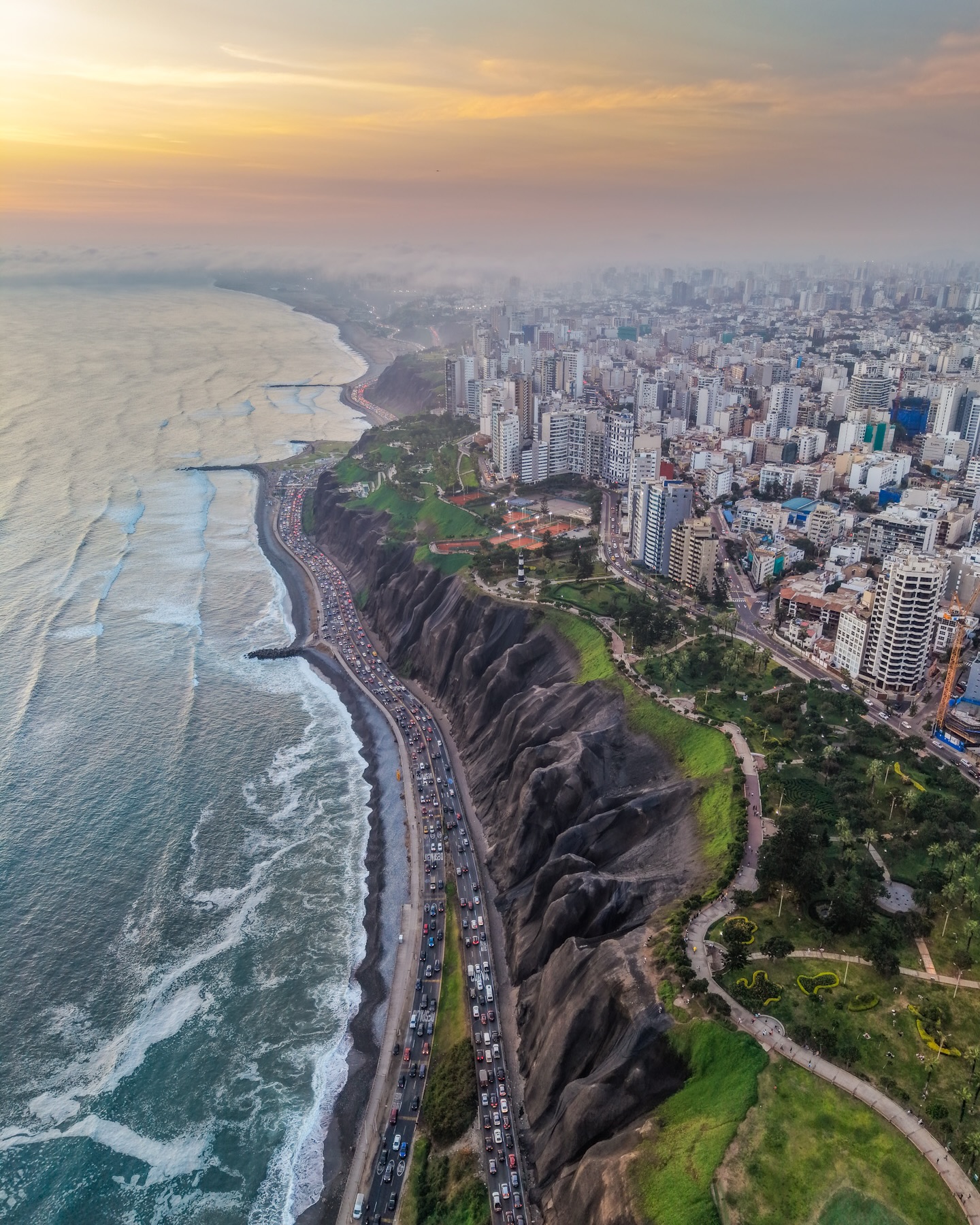
Base in Miraflores for ocean views and easy restaurant access, or Barranco for a quieter, more artistic feel with galleries and leafy streets. Spend one day at the Museo Larco for context on the pre-Columbian sites you'll see later in the trip, and save an evening for a reservation-only restaurant if Central, Maido, or Kjolle is on the list. Lima's food scene is one of the real reasons to build in two full nights rather than treating the city as a layover.
The drawback: Lima traffic is genuinely bad, and a city that photographs as coastal and relaxed can eat a surprising amount of your day in transfers between Miraflores, Barranco, and the historic center. Keep the itinerary loose here rather than stacking three neighborhoods into one day.
The Sacred Valley — Three Nights to Actually Slow Down
Best for the traveler who wants the trip to include actual downtime, not just a lower-altitude place to sleep between sites. This is where the pace of the whole itinerary either works or falls apart.
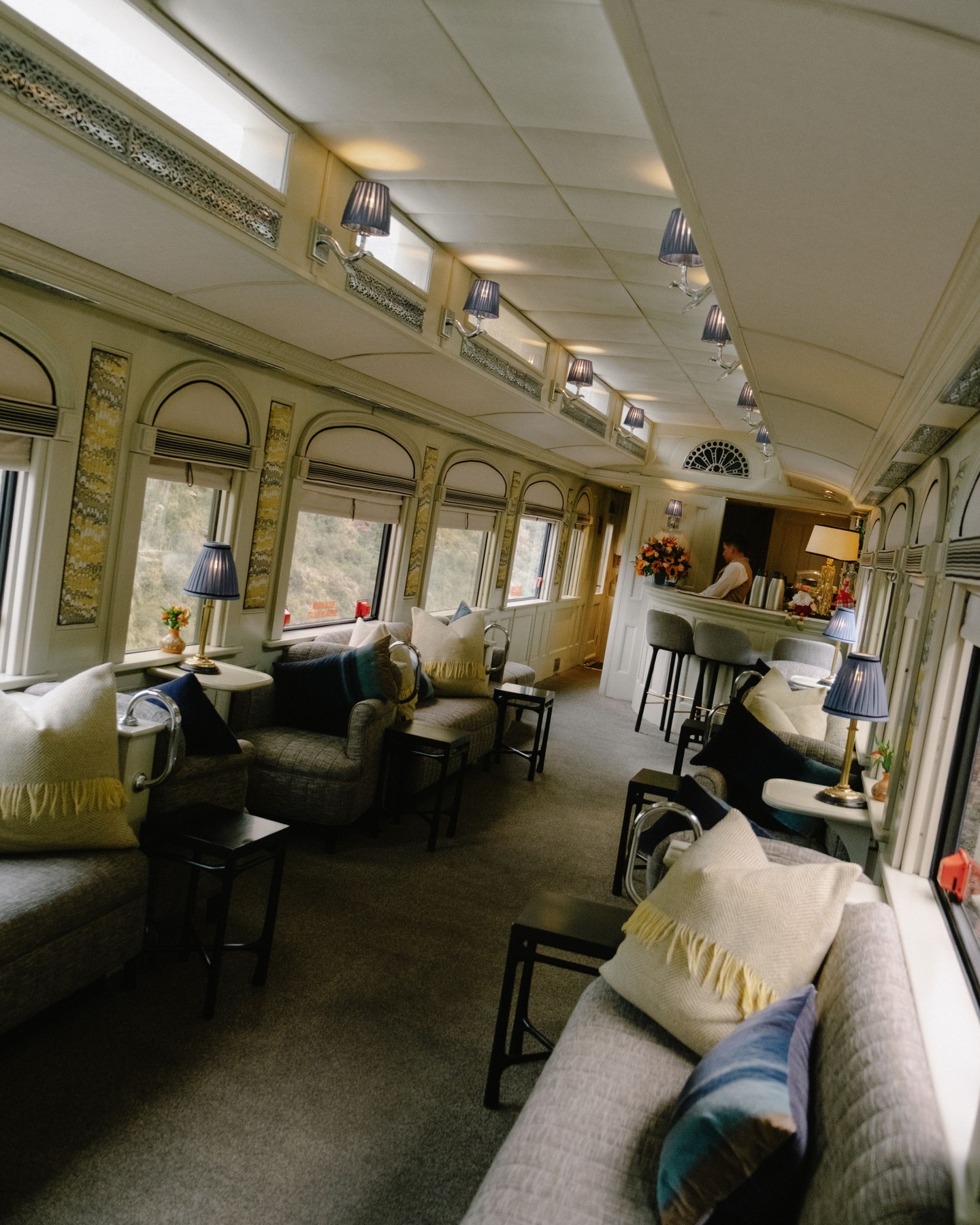
Properties like Tambo del Inka in Urubamba sit riverfront with their own private rail station, which removes a transfer day later in the trip. Sol y Luna leans into a more personal, casita-style stay. Inkaterra Hacienda Urubamba sits higher on the hillside with broader valley views and a quieter feel. Use the three nights for Moray's terraced amphitheater, the salt pans at Maras, and Pisac's ruins and weaving studios, but don't schedule all three on back-to-back mornings. The valley rewards an unscheduled afternoon by the pool as much as it rewards another ruin.
The drawback: these hotels are genuinely remote. If you want walkable restaurants or nightlife outside the property, the Sacred Valley isn't it. That's the point of staying here, but it's worth knowing going in.
Machu Picchu Pueblo — One Night, Timed Right
Best for keeping the actual citadel visit unrushed, which is the entire reason for this leg existing. Rail travel from Ollantaytambo follows the Urubamba River into a narrowing green gorge, and most operators cap luggage, so plan to leave larger bags in Cusco and bring an overnight bag only.
The Belmond Sanctuary Lodge sits closest to the entrance for the shortest possible walk to an early timed entry. Inkaterra Machu Picchu Pueblo Hotel and Sumaq Machu Picchu Hotel are both a short transfer away and worth it if you'd rather stay somewhere with real grounds to walk. Reserve the earliest practical entry time. Morning cloud moves through the peaks and reveals the site in pieces rather than all at once, which is part of the experience rather than a failed photo.
The drawback: the town itself is small, busy, and built almost entirely around tourism. It photographs as a remote mountain village and functions as a compact hub. One night here is right. Two starts to feel like a lot.
Cusco — Three Nights to Close It Out
Best for the traveler who wants history, food, and shopping after several days of nature and altitude adjustment. Cusco has the deepest concentration of both Inca and colonial sites on the trip, plus the strongest restaurant scene outside Lima.
Belmond Hotel Monasterio occupies a former monastery in the historic center. Inkaterra La Casona offers a smaller, quieter stay near Plaza Nazarenas. Palacio del Inka sits close to Coricancha, the former Temple of the Sun. Spend a morning walking Coricancha and the Cathedral with a private guide, an afternoon in San Blas for galleries and coffee, and a full day at Sacsayhuaman early before the crowds arrive. Leave room for a textile purchase or a chocolate workshop rather than filling every hour with ruins.
The drawback: Cusco sits at the highest altitude of the whole trip and its historic center is built on steep, uneven cobblestone. By day eight your legs and lungs have adjusted, but this isn't the leg to schedule back-to-back full days if anyone in your group struggles with hills.
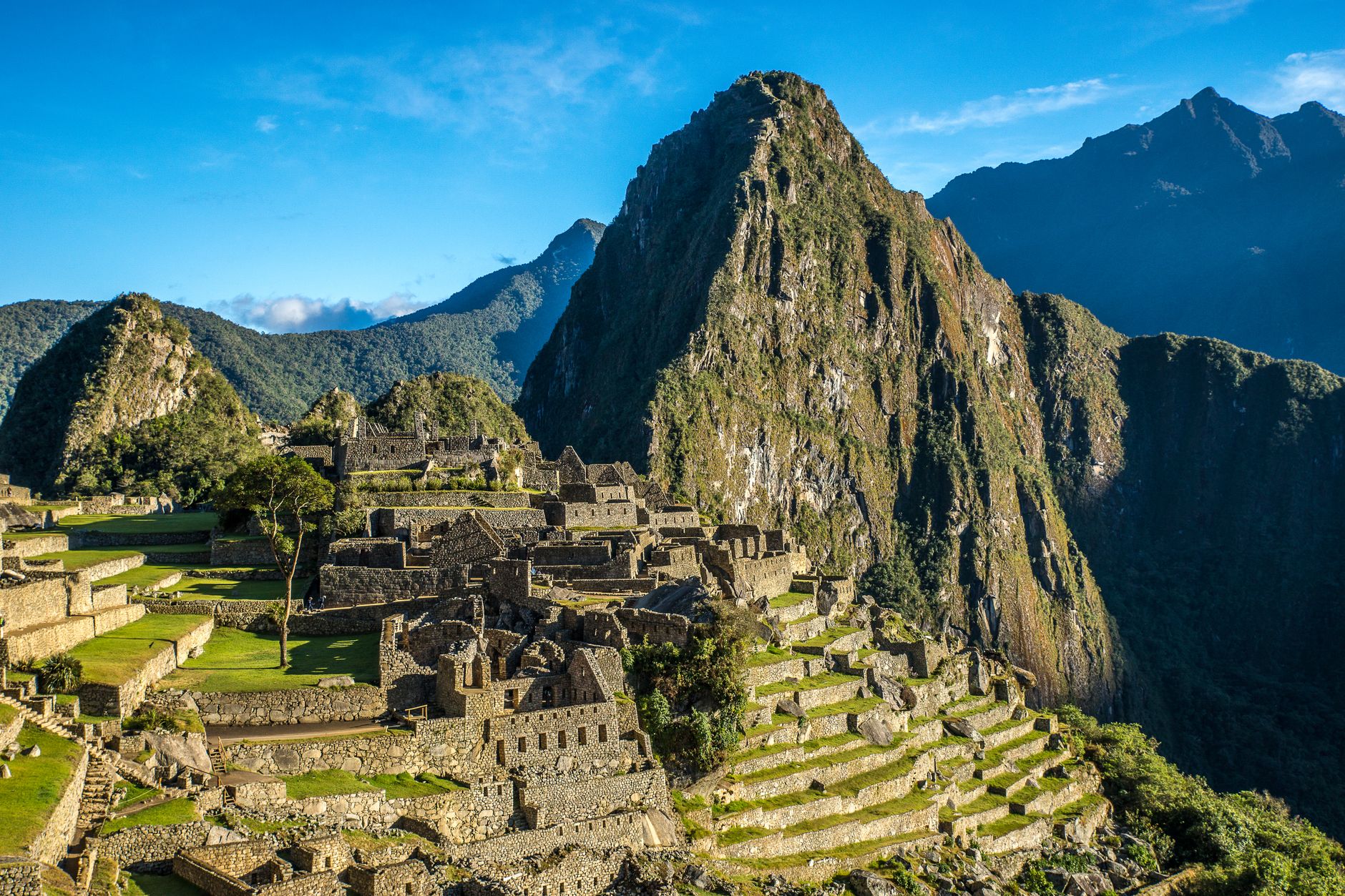
Photo by Mike van Schoonderwalt
How to Adjust the Pace
Pick a longer valley stay if the trip is a milestone celebration rather than a sightseeing trip. An extra night in the Sacred Valley does more for how the whole vacation feels than an extra night anywhere else on the itinerary.
Pick the Belmond Hiram Bingham train if the journey itself is meant to be part of the celebration rather than a means of transfer. Otherwise, a premium rail class and a better guide or hotel is usually the smarter allocation of budget.
Pick an Amazon or Lake Titicaca extension if ten days feels short once you're already committed to the flights. Both add real contrast to a trip that otherwise stays in the highlands the whole time, and the Andean Explorer toward Arequipa and Colca Canyon is worth considering for travelers who want one more dramatic landscape before heading home.
Pick the dry season, roughly May through October, if crowds and rain are dealbreakers, and book Machu Picchu tickets and rail seats the moment dates are set. Pick the wetter months if a quieter Machu Picchu and lower hotel rates matter more than guaranteed clear skies.
If you'd rather skip building this out property by property and just know which valley hotel, which rail class, and which pacing actually fits your dates, who's traveling, and what the trip is for, that's usually a ten-minute conversation with a Travel Curator who already knows these properties, and it tends to save more time than the version where you piece it together yourself.